Silica Wastewater Treatment and Sodium Sulfate Recovery with LANRAN BPED Technology
Precipitated silica, also known as white carbon black, is widely used in rubber, plastics, coatings, and toothpaste. Manufacturers typically produce it by reacting sodium silicate with an acid. The process generates wastewater containing residual silica and sodium sulfate, especially during washing.
Treating this wastewater creates two key challenges. Manufacturers need to recover water for production reuse and find value in sodium sulfate by-products.
Conventional evaporation and crystallization can consume significant energy. Sodium sulfate solids may also have limited reuse options. Meanwhile, fresh sulfuric acid and sodium hydroxide add to operating costs.
LANRAN’s Integrated Membrane Solution
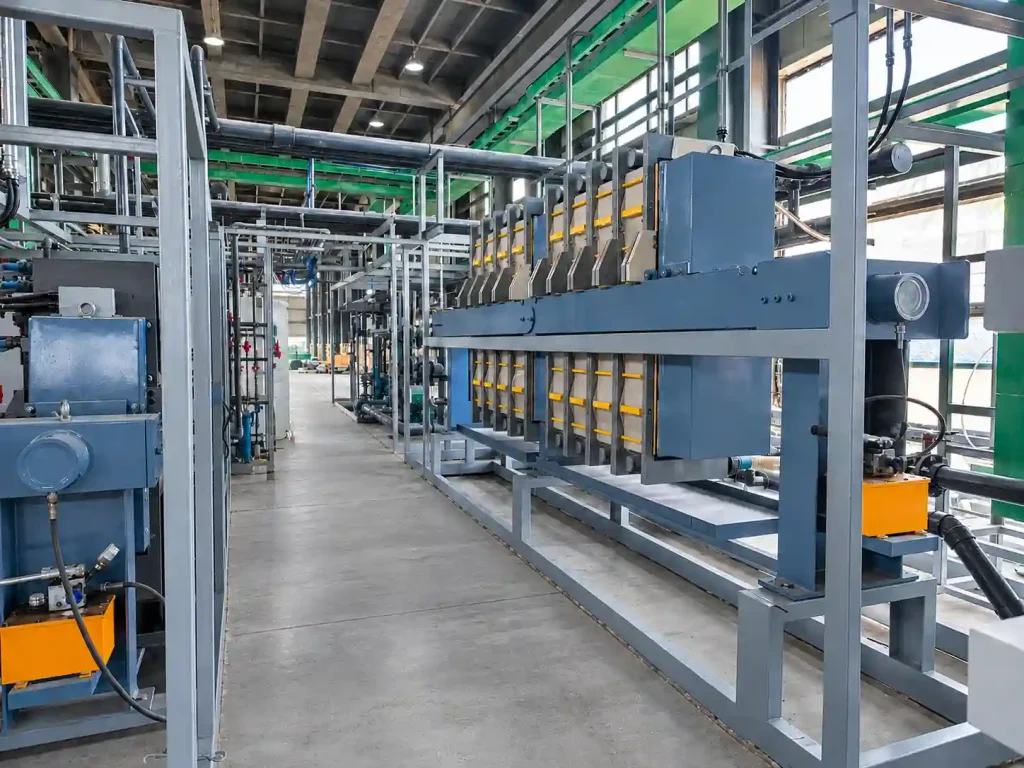
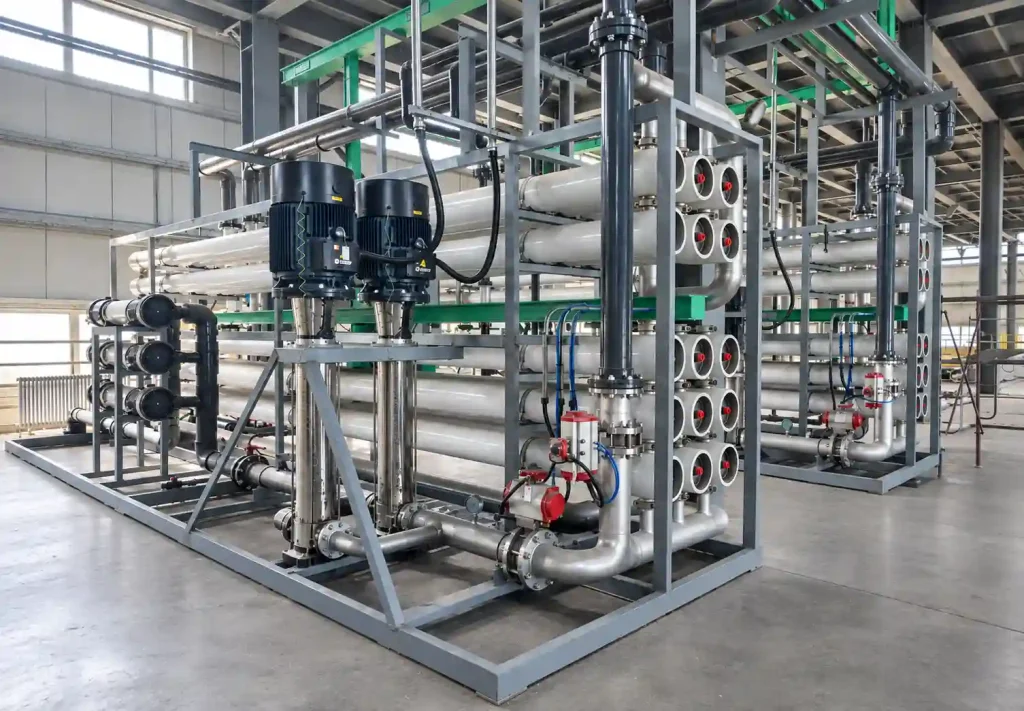
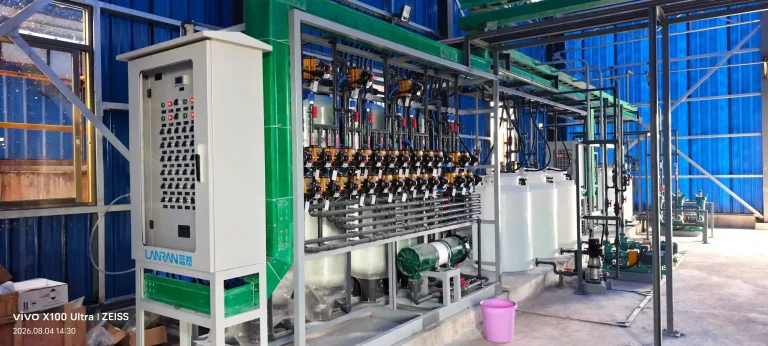
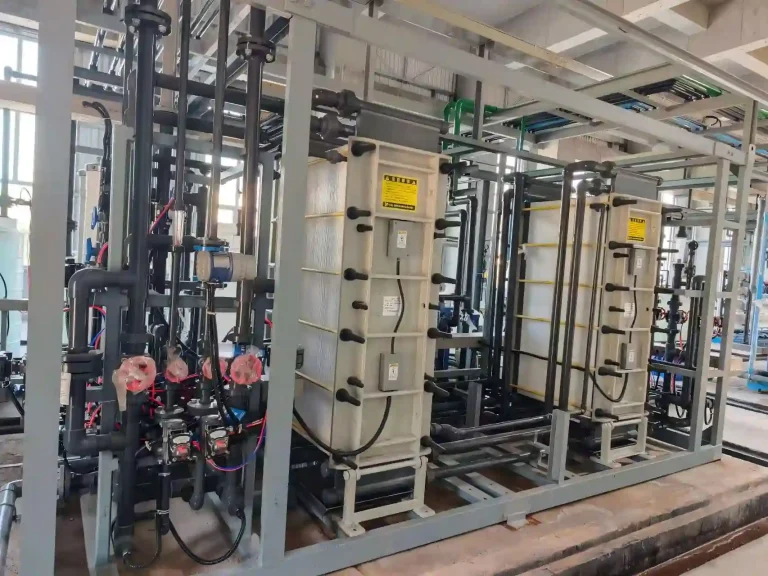
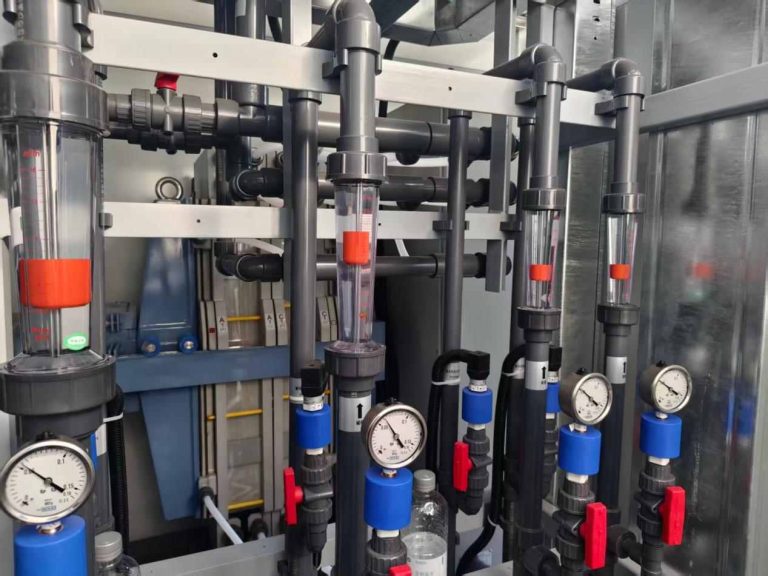
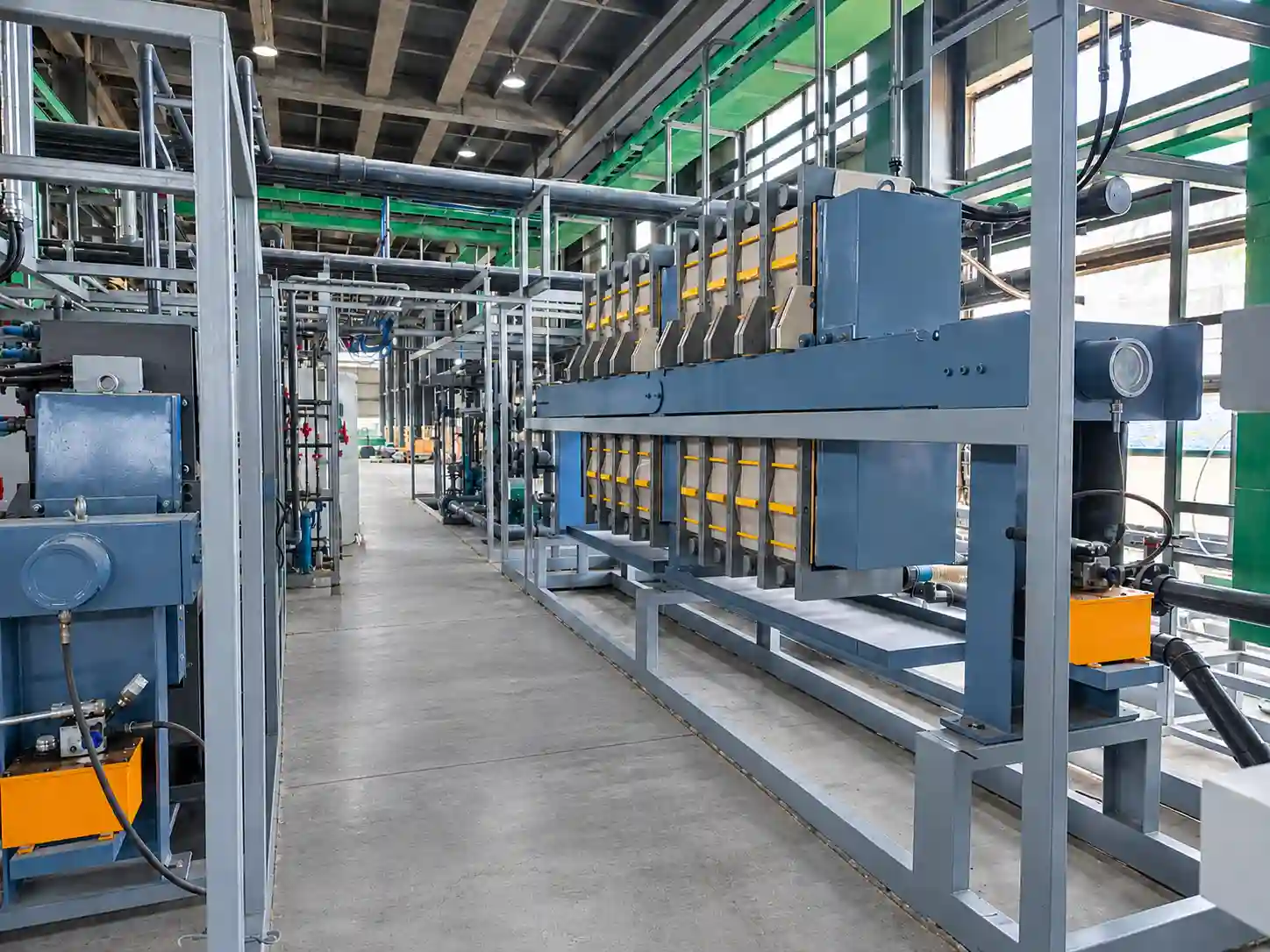
For a silica wastewater project in Xinjiang, China, LANRAN integrated membrane treatment, electrodialysis (ED), and bipolar membrane electrodialysis (BPED). This process combines water recovery with salt resource utilization.
The integrated process includes five key steps:
- Silica removal: Coagulation, sedimentation, and tubular membrane treatment remove silica before downstream separation.
- Water recovery: Reverse osmosis (RO) produces low-conductivity water for reuse in silica washing, helping meet production water quality requirements.
- Sodium sulfate concentration: ED concentrates sodium sulfate from the RO concentrate, preparing the solution for further resource recovery.
- Hardness removal: Chelating resin treatment reduces hardness before BPED.
- Acid and alkali regeneration: BPED converts the concentrated sodium sulfate solution into sulfuric acid and sodium hydroxide for reuse in production.
How BPED Technology Creates Value
By integrating several membrane processes, LANRAN helps silica manufacturers recover water and turn dissolved salts into useful chemicals.
- Water reuse: RO permeate returns to the washing process, reducing fresh water demand.
- Salt resource recovery: BPED converts sodium sulfate into sulfuric acid and sodium hydroxide, creating opportunities to recover value from a wastewater by-product.
- Lower chemical costs: Recovered acid and alkali can replace part of the fresh chemicals used in production, helping reduce chemical procurement costs.
- Cleaner production: Combining water recovery with chemical regeneration supports resource efficiency and helps reduce the burden of wastewater management.
An Industrial Solution for Silica Wastewater
With a treatment capacity of 150 m³/h, this project demonstrates how LANRAN combines membrane separation, ED concentration, and BPED technology to address wastewater challenges in silica manufacturing.
For silica producers, the integrated solution offers a practical approach to improving water reuse, recovering sodium sulfate resources, and reducing reliance on fresh process chemicals.
Looking to recover water and valuable chemicals from silica wastewater?
Contact LANRAN to explore membrane-based solutions for silica wastewater treatment, sodium sulfate recovery, and acid–alkali regeneration.