𝐒𝐨𝐝𝐢𝐮𝐦 𝐒𝐮𝐥𝐟𝐚𝐭𝐞 𝐏𝐮𝐫𝐢𝐟𝐢𝐜𝐚𝐭𝐢𝐨𝐧 𝐢𝐧 𝐏𝐮𝐥𝐩 & 𝐏𝐚𝐩𝐞𝐫 𝐔𝐬𝐢𝐧𝐠 𝐁𝐢𝐩𝐨𝐥𝐚𝐫 𝐌𝐞𝐦𝐛𝐫𝐚𝐧𝐞 𝐄𝐥𝐞𝐜𝐭𝐫𝐨𝐝𝐢𝐚𝐥𝐲𝐬𝐢𝐬
In kraft pulp and paper production, chloride and potassium can accumulate in the chemical recovery cycle, increasing the risk of corrosion and scaling and affecting stable operation.
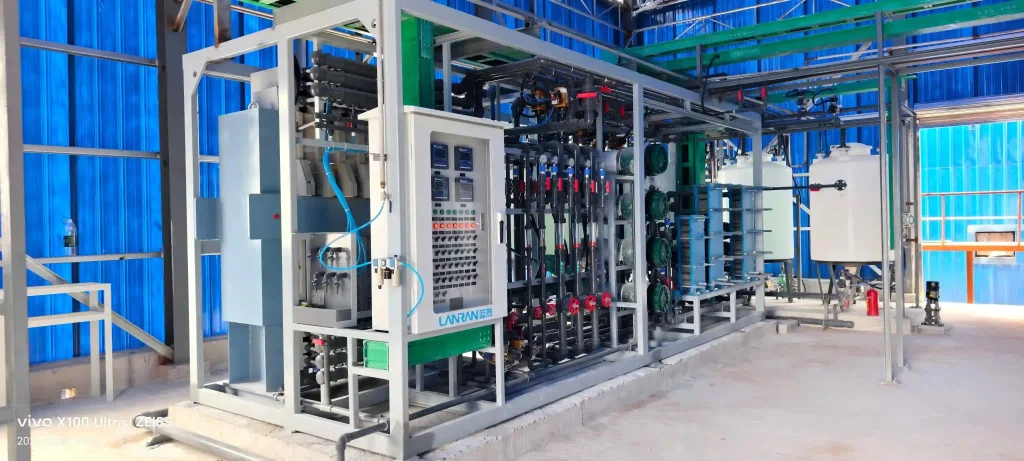
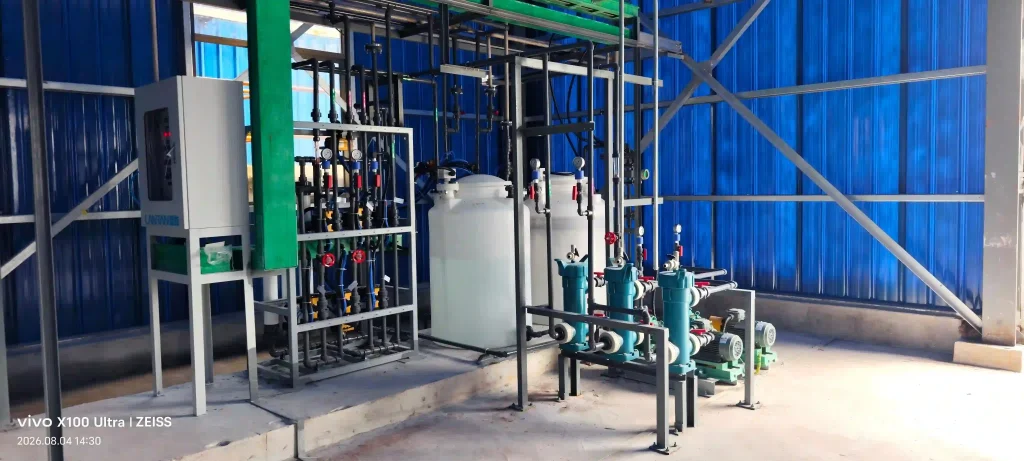
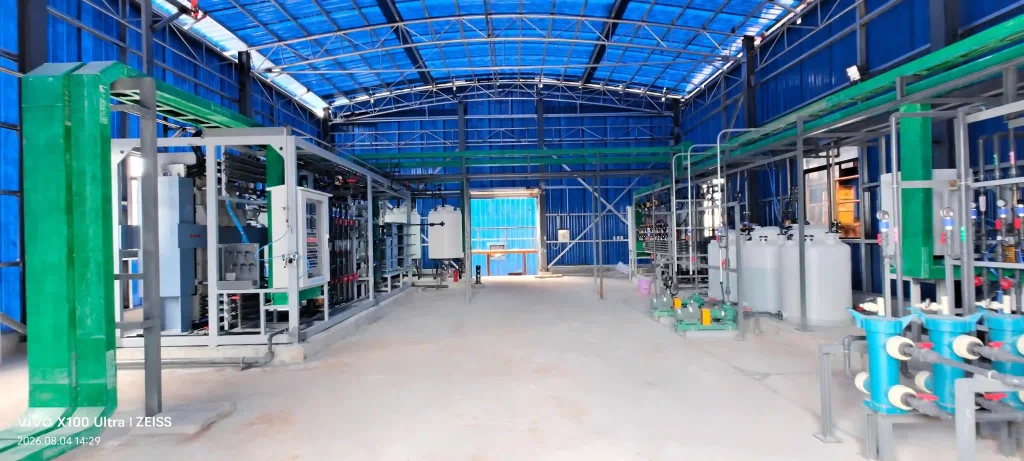
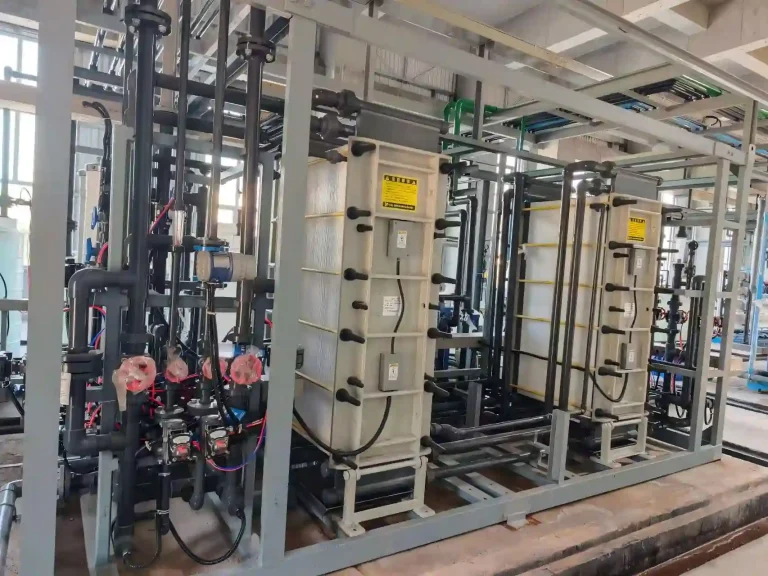
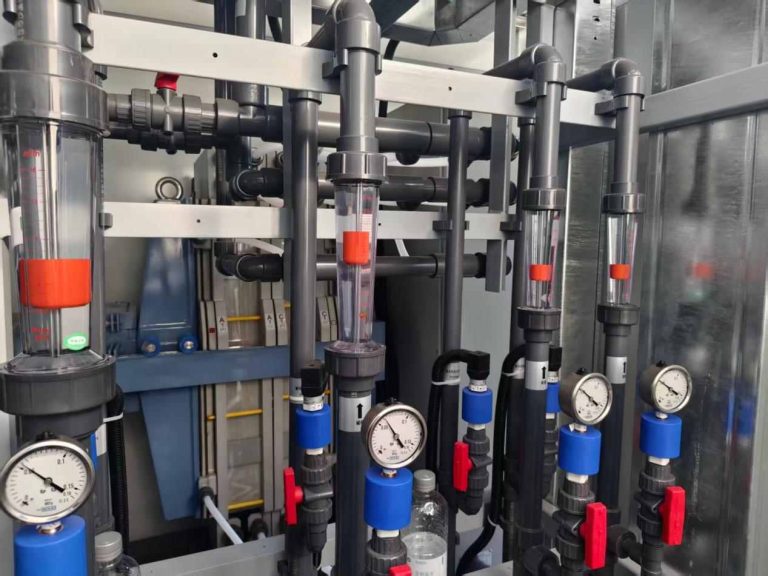
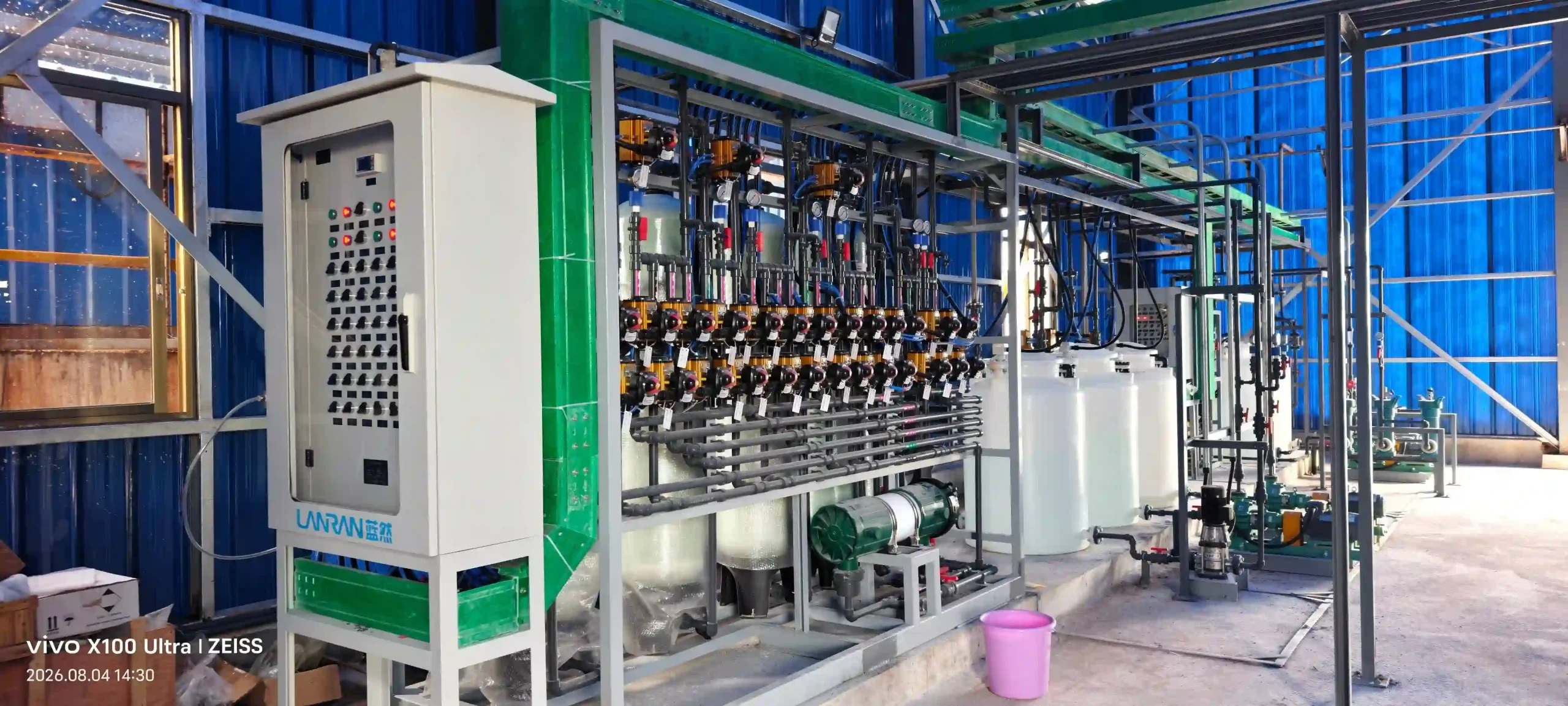
For Dingfeng Paper, LANRAN applied Bipolar Membrane Electrodialysis (BPED) to remove part of the accumulated chloride and potassium ions from the sodium sulfate stream.
The treatment process includes: Alkali Ash Dissolution → Filter Press → Ultrafiltration → Activated Carbon Adsorption → Ion Exchange → BPED
After pretreatment, the BPED process further treats the sodium sulfate stream, with the resulting acid, alkali, and dilute brine streams directed to their respective downstream processes. The recovered alkali is reused within the mill’s chemical recovery and pulping system.
This integrated solution helps:
🔹 Control chloride and potassium accumulation
🔹 Reduce the risk of corrosion and scaling
🔹 Support stable operation of the chemical recovery system
🔹 Recover and reuse chemical resources
🔹 Reduce chemical consumption and wastewater generation
By integrating BPED into the chemical recovery process, LANRAN supports more efficient salt management and chemical reuse in pulp & paper production.