Hangzhou Lanran Tech stands as a global leader in the manufacturing of ion
exchange membranes, with an impressive annual output of 1,850,000m².
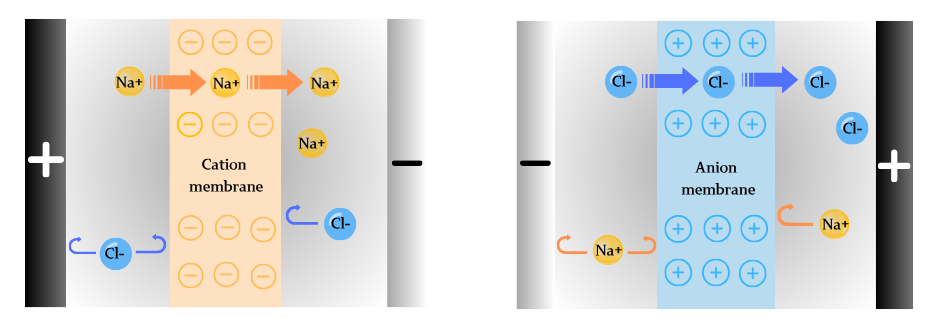
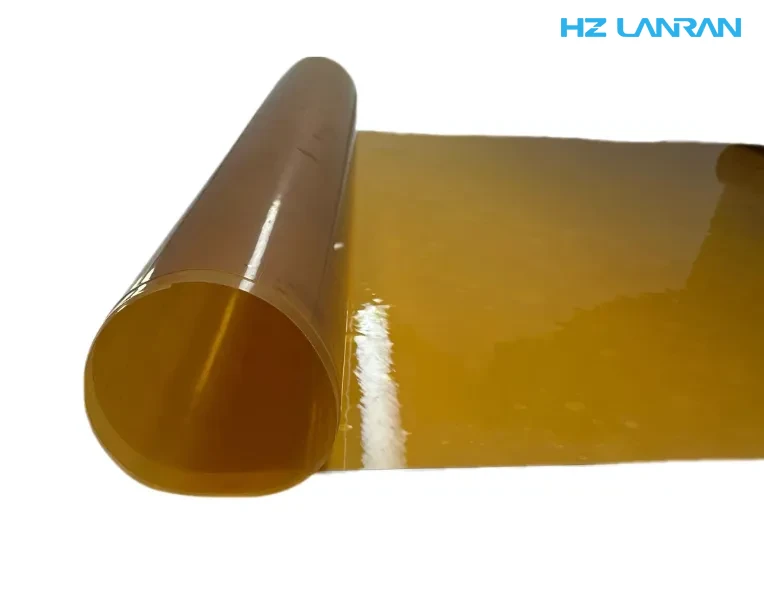
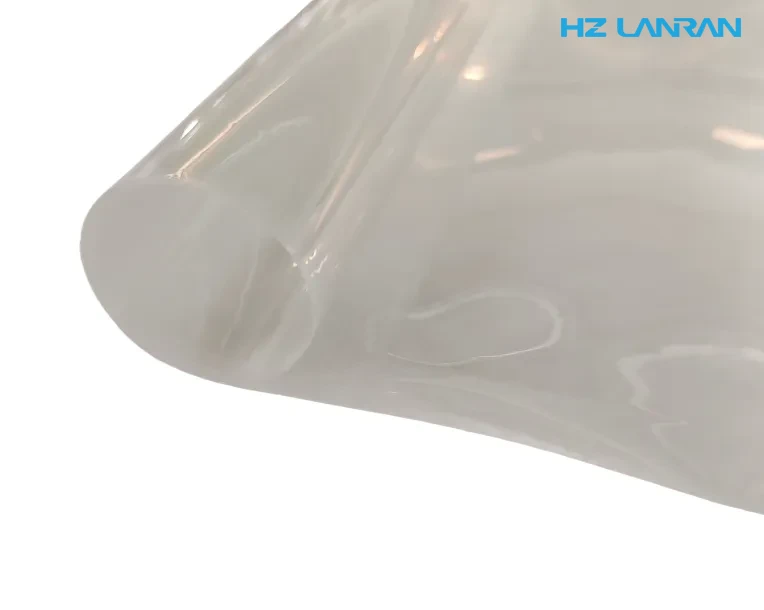
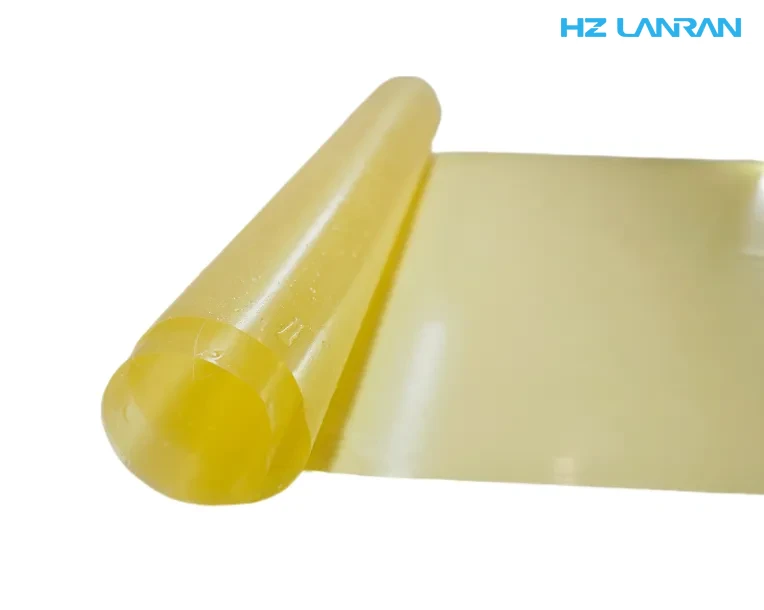
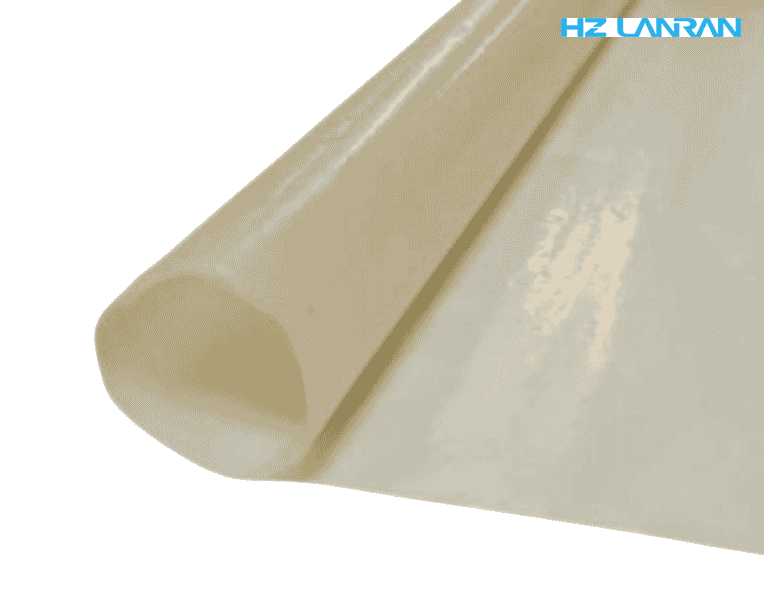
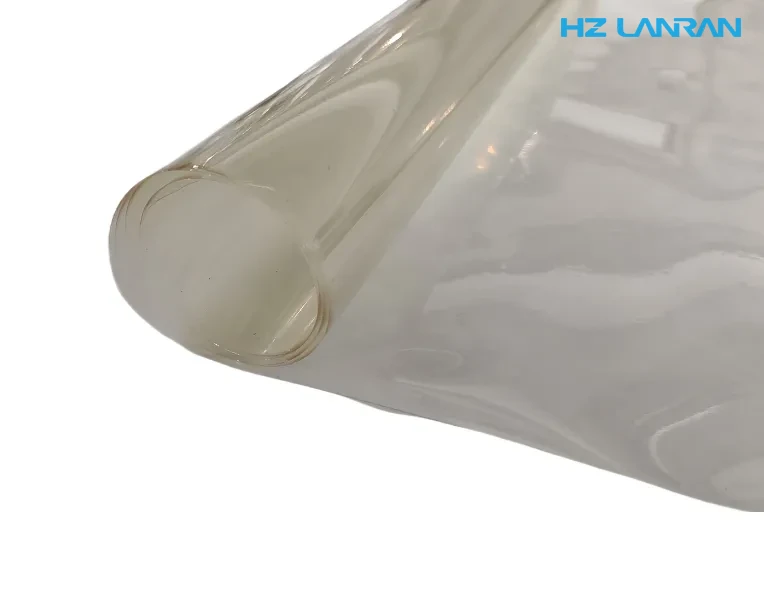
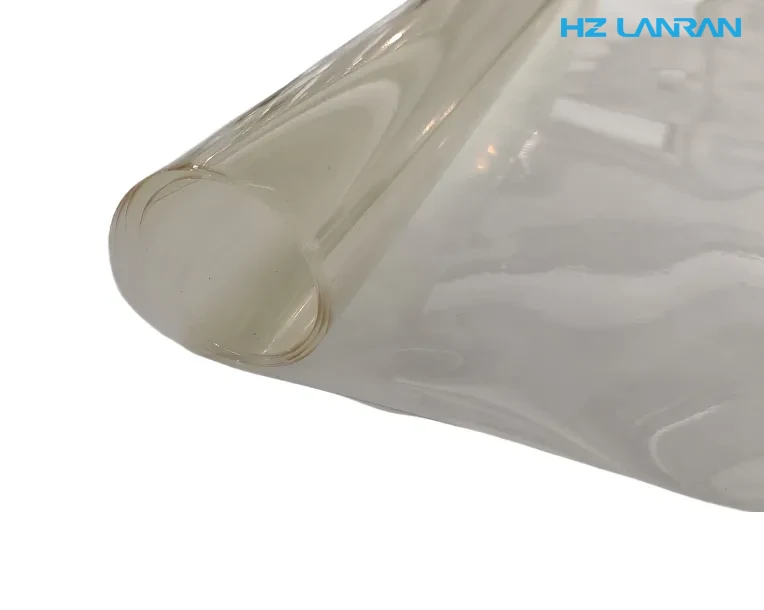
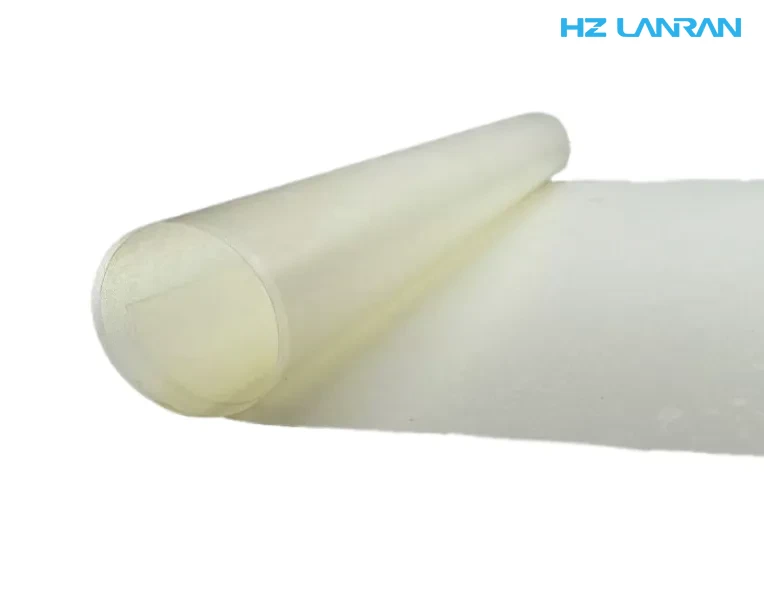
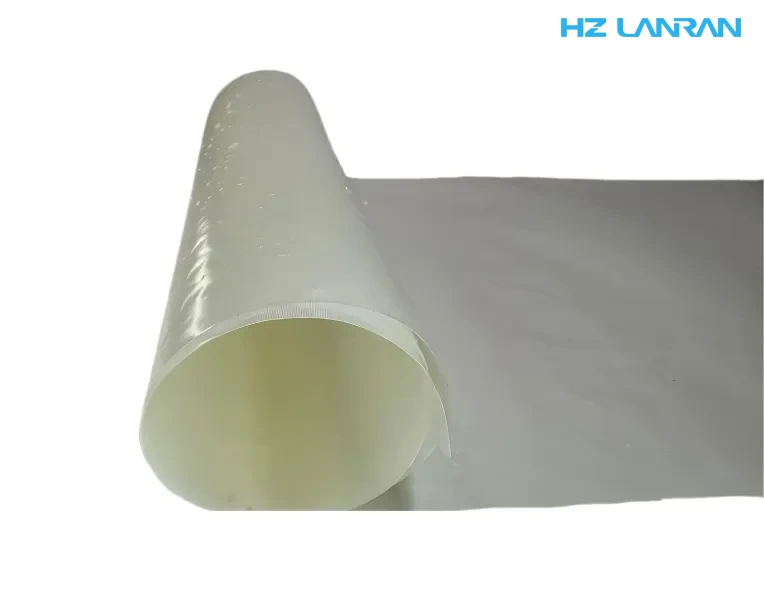
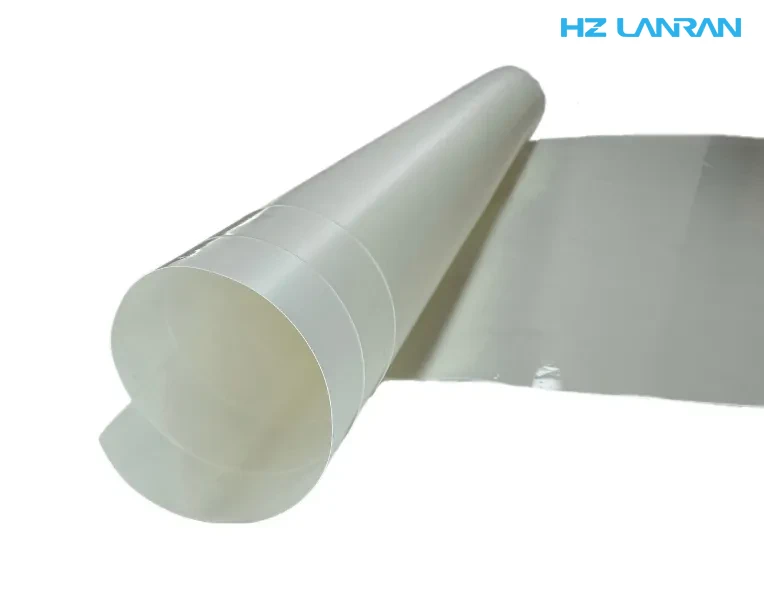
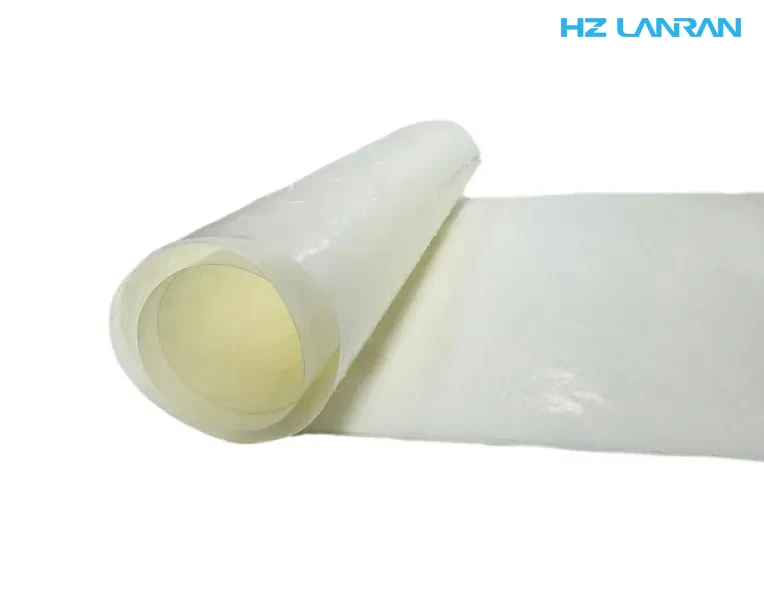
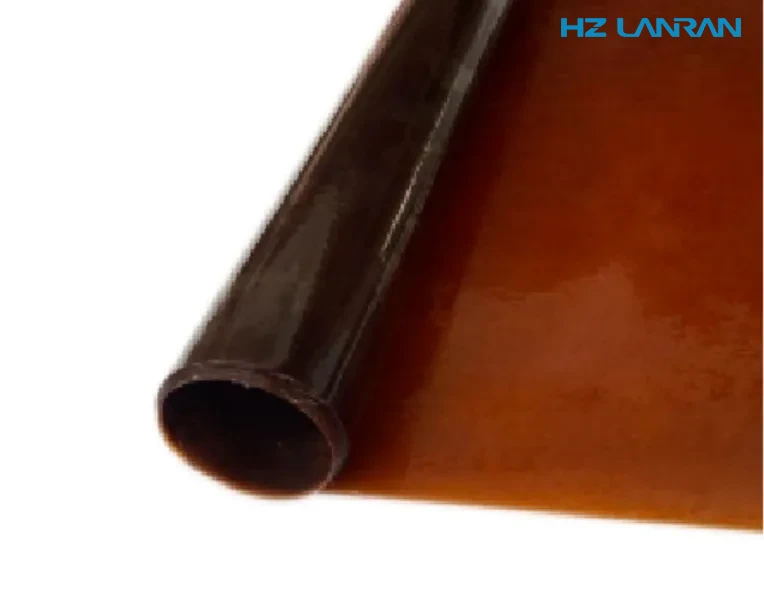
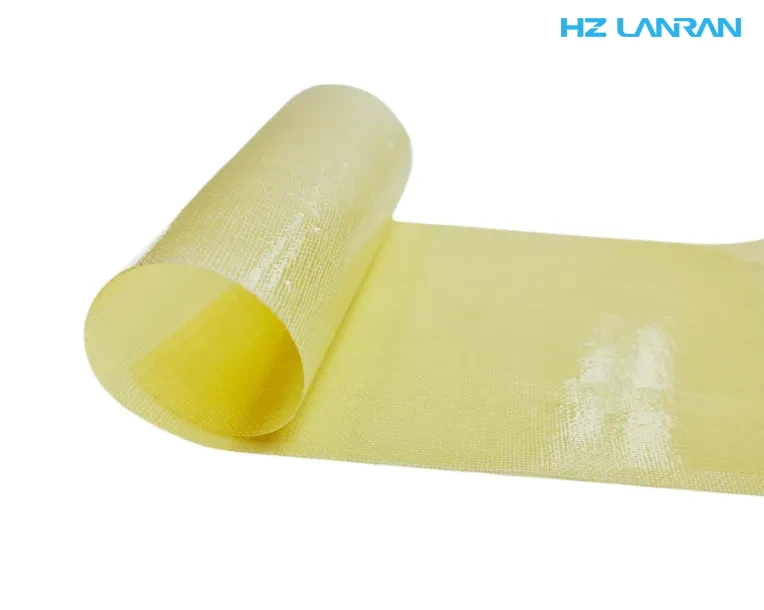
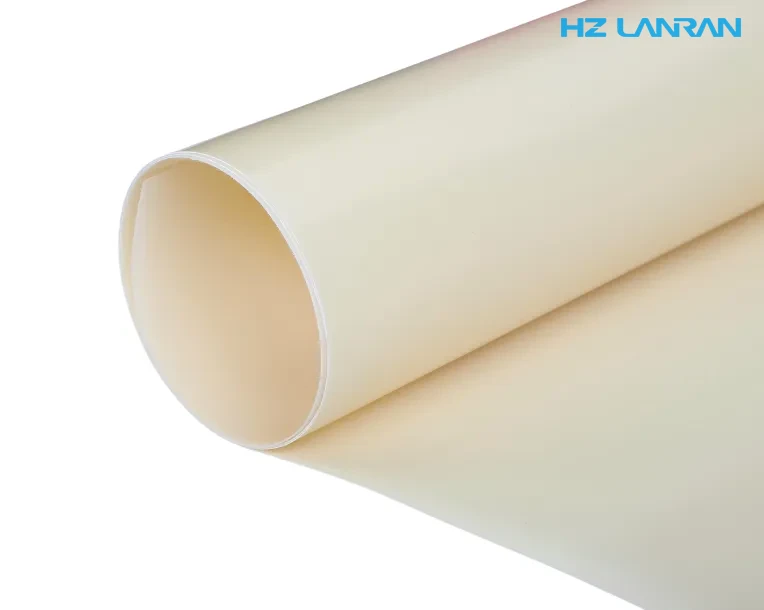
Ion exchange membrane has a unique structure for selective permeation of anions and cations.
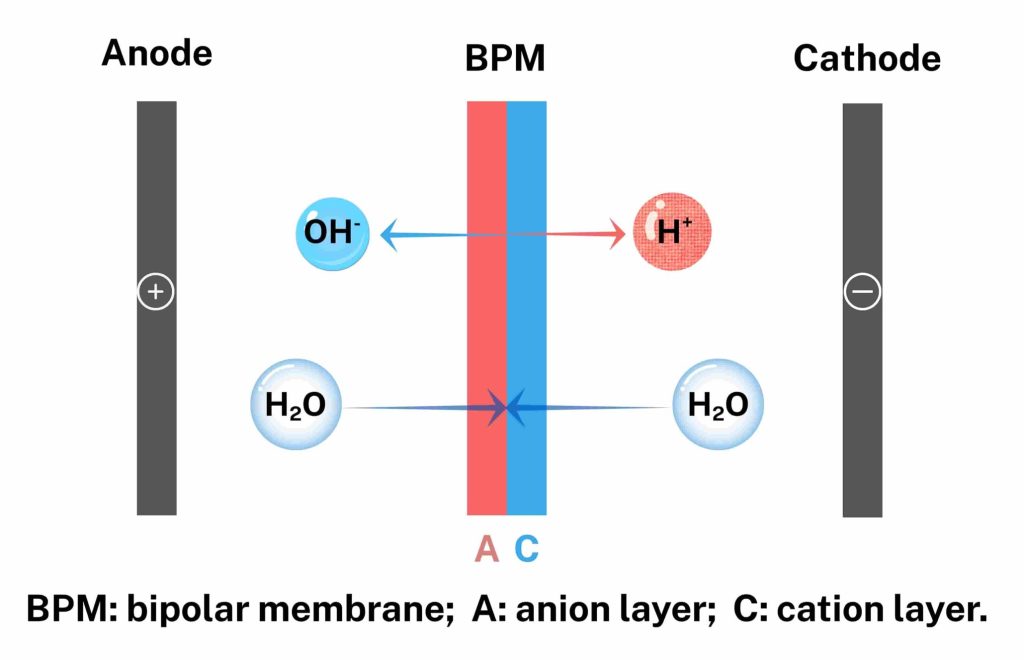
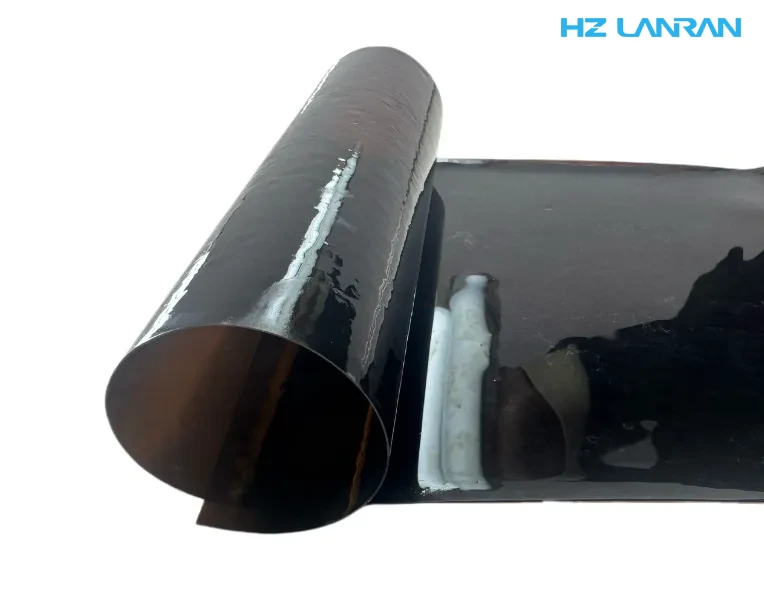
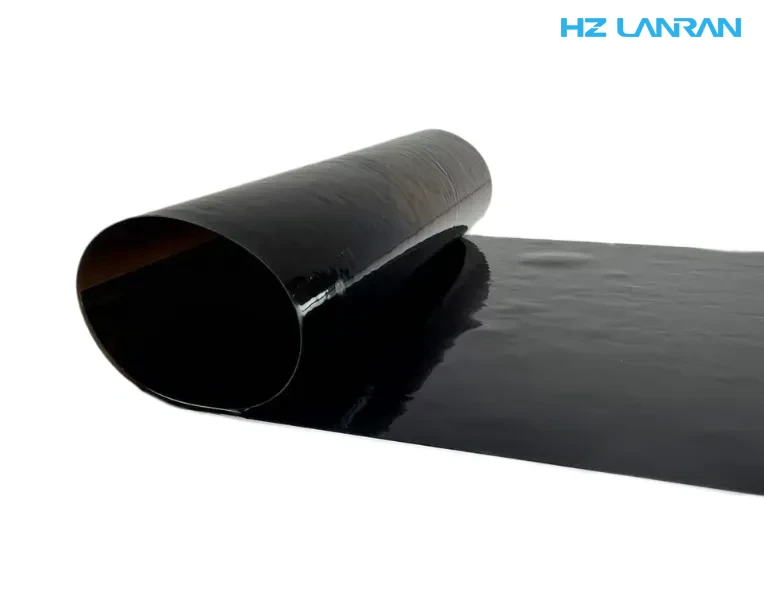
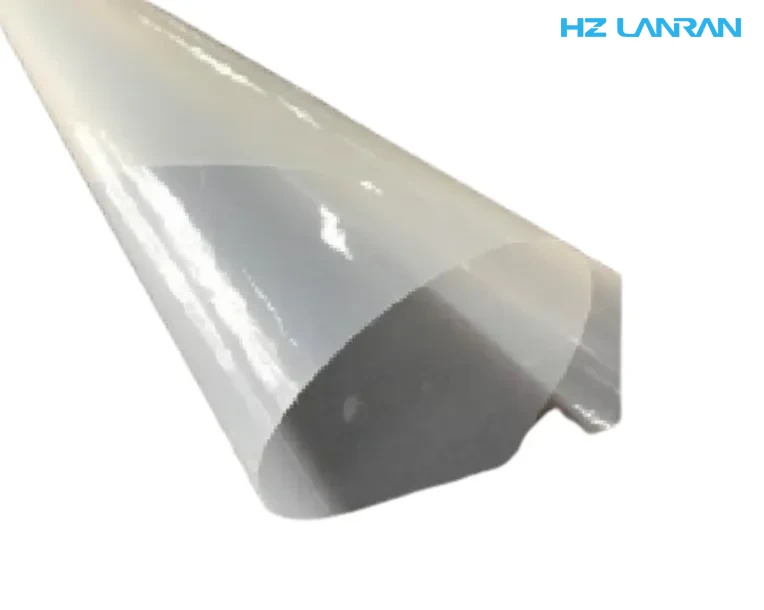
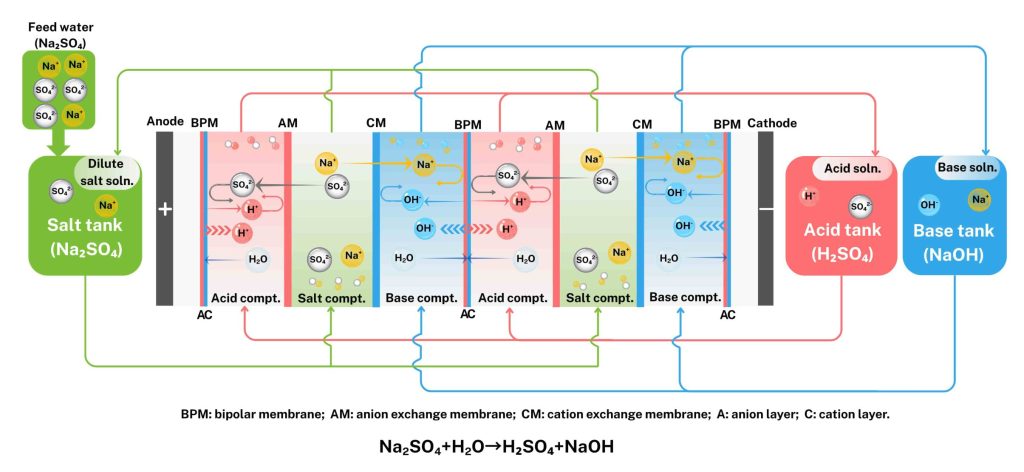
A bipolar membrane refers to a membrane having a combination structure of an anion exchange layer, a cation exchange layer, and an intermediate catalytic layer. When direct current is applied across the membrane, water in the bipolar membrane dissociates into H+ and OH-.
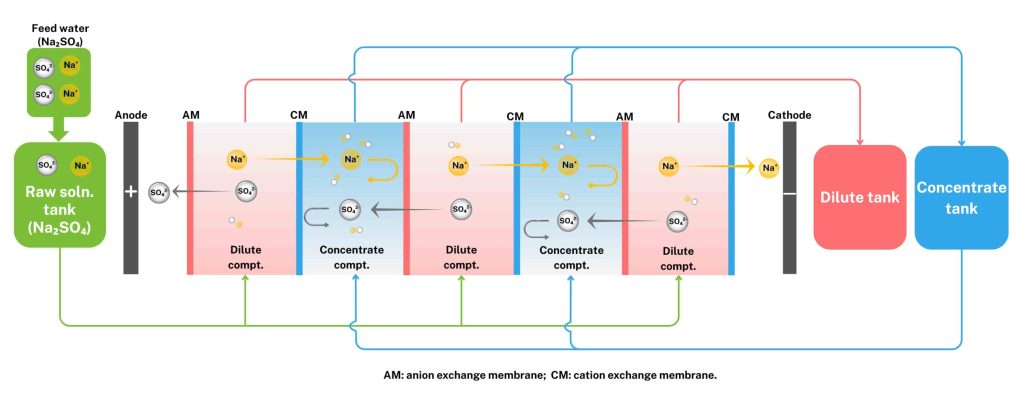
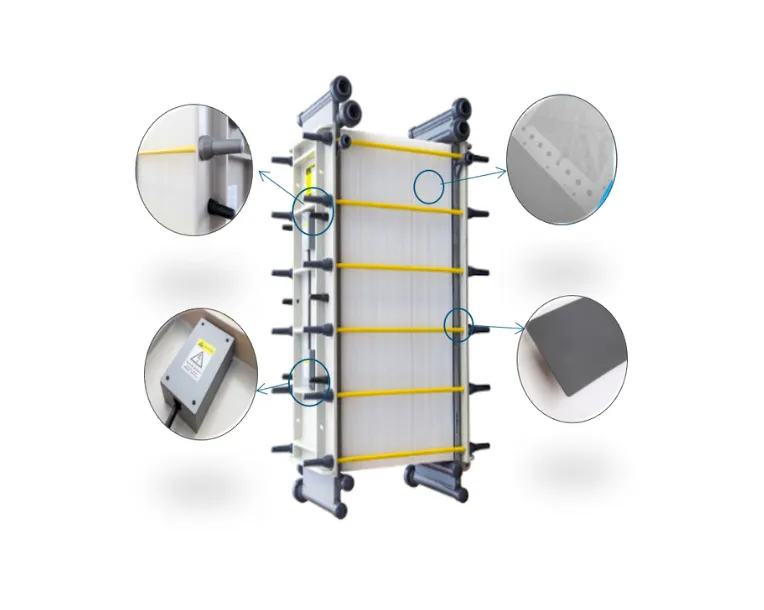
Electrodialysis is a separation technology utilizing electrophoresis of ionic substances in solutions and the selective permeability of ion exchange membranes to separate ionic substances in aqueous solution, enabling efficient desalination, concentration, refining and recovery. There are two types of ion exchange membranes. The cation exchange membrane selectively allows cation permeation, while anion exchange membrane selectively allows anion permeation. In an electrodialyzer, a large number of these membranes are arranged alternately between two electrodes and direct current is applied to separate ions in solution.

By supplying inorganic salt (e.g., Na₂SO₄) to the 3-compartment bipolar membrane electrodialysis, which combines anion, cation and bipolar membranes, the anion (SO₄²⁻) will migrate through the anion exchange membrane and combine with the H⁺ ion which is split at the bipolar membrane to produce acid (H₂SO₄). On the other hand, the cation (Na⁺) will migrate through the cation exchange membrane and combine with the OH⁻ ion which is split at the bipolar membrane to produce alkali (NaOH).