Stuck in Lithium Cost Chaos? This Technology Cuts Your Biggest Bills
Let’s discuss the most crucial factor when lithium prices fluctuate: your operational costs (OPEX). While many focus on the initial investment, the hidden threats are energy consumption, chemicals, and downtime.
Membrane technology, such as Electrodialysis (ED), isn’t just an alternative; it’s a powerful tool for cost reduction. Here’s the evidence, not just the theory.
- Reduce Your Energy Bills
Why waste energy by boiling everything when you can simply extract the lithium? ED utilizes electricity to selectively move lithium ions while disregarding expensive impurities like magnesium.
An optimized membrane process has cut production stages by 50% and shortened the overall process by 40%. Less processing means reduced power consumption—it’s that straightforward.
- Eliminate Your Chemical Orders
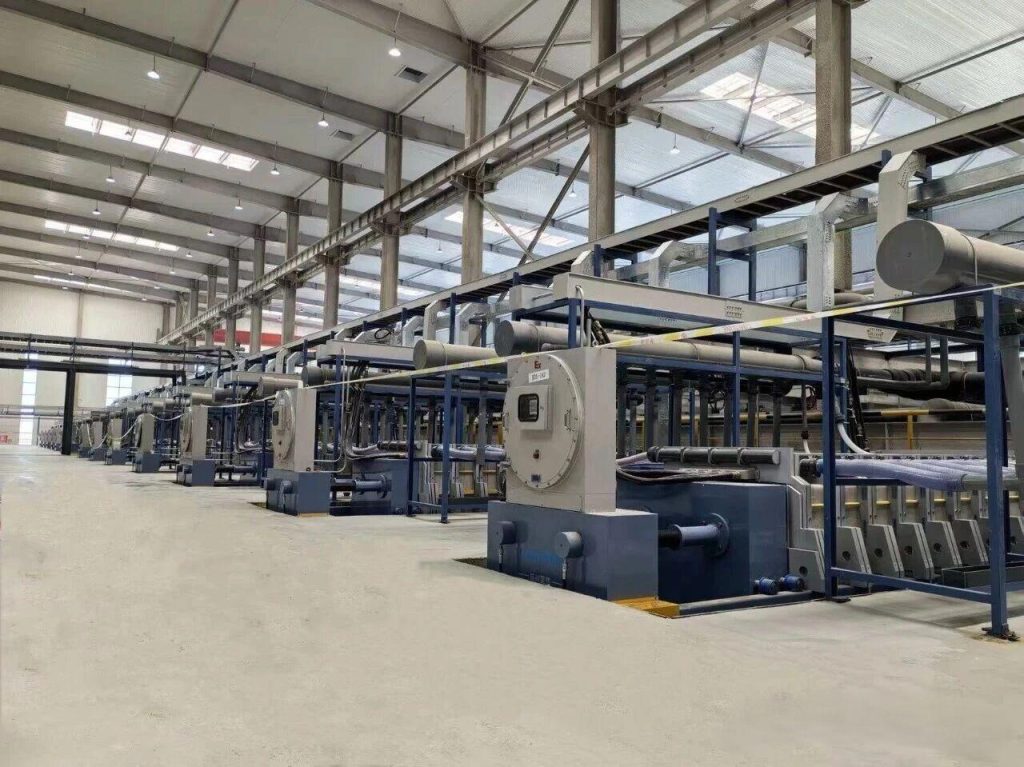
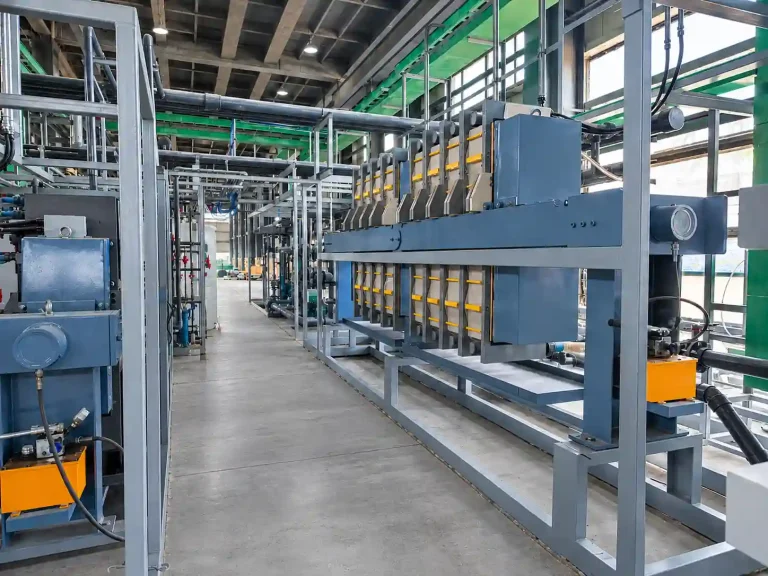
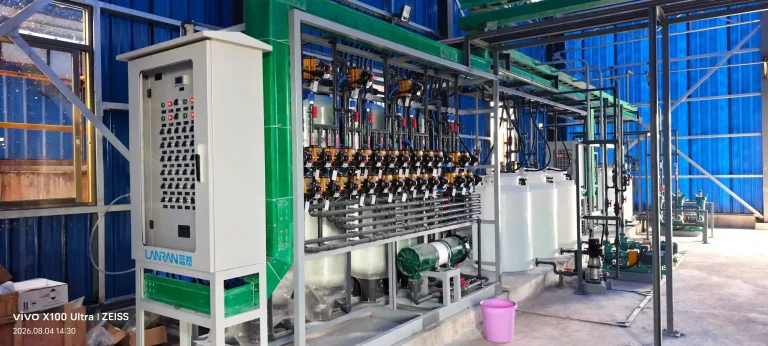
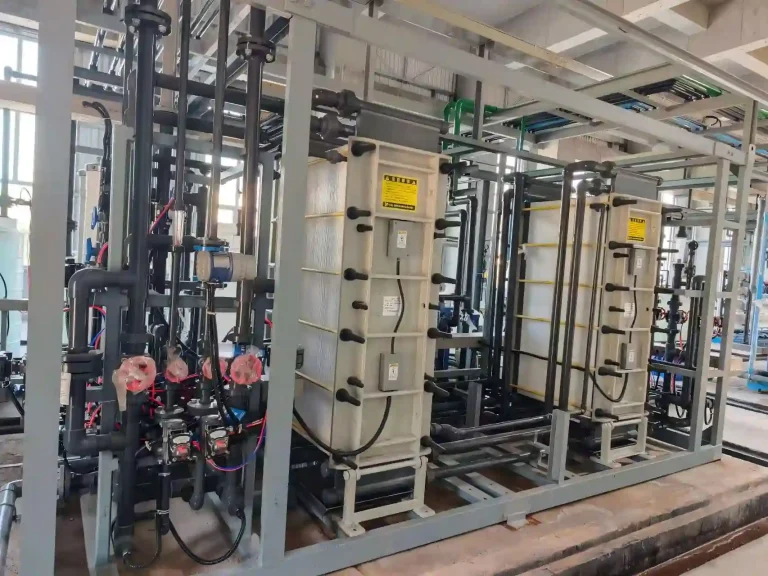
Say goodbye to the endless tanker trucks of acid and alkali. Bipolar Membrane Electrodialysis (BMED) acts like an on-site chemical plant. It uses electricity to split water, generating the necessary acids and alkalis right within the system.
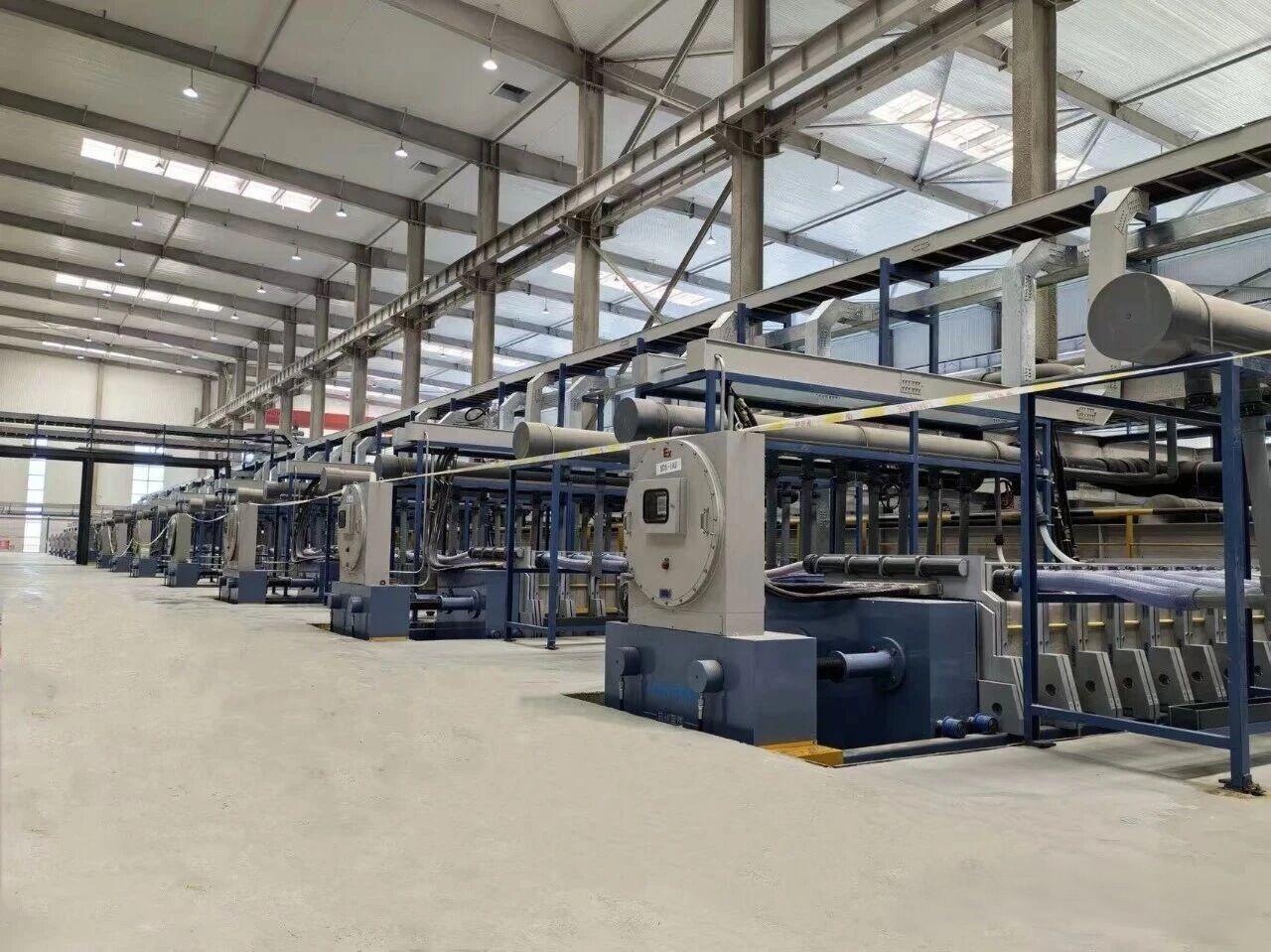
The Proof? This technology is not just a theoretical concept; it’s at the core of a 1,000 t/a battery-grade lithium hydroxide project in Qinghai, China. It addresses waste issues and significantly lowers reagent costs in facilities processing over 250,000 tons per year.
- Ensure Predictable Uptime
Downtime equals wasted money. Membrane stacks have no moving parts, offering over 95% availability and lasting for years. This is not merely an assumption; it has been validated across eight major salt lake projects from Tibet to Xinjiang in partnership with industry leaders.
💡 The Bottom Line
Transforming OPEX from a variable risk into a competitive advantage is key. This technology has earned national awards and is successfully extracting value from some of the world’s toughest brines right now.
Want to turn your cost structure from a liability into your greatest asset? The blueprint is available at Lanran.