Carbon Capture Utilisation and Storage
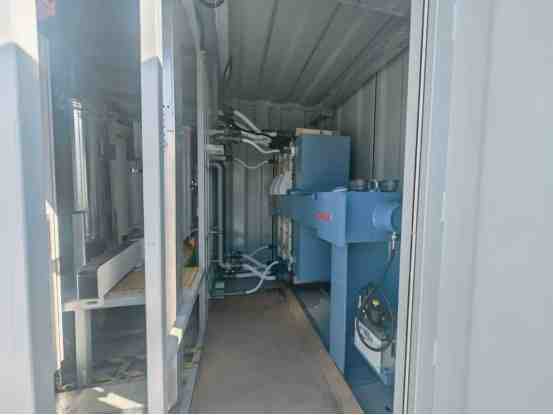
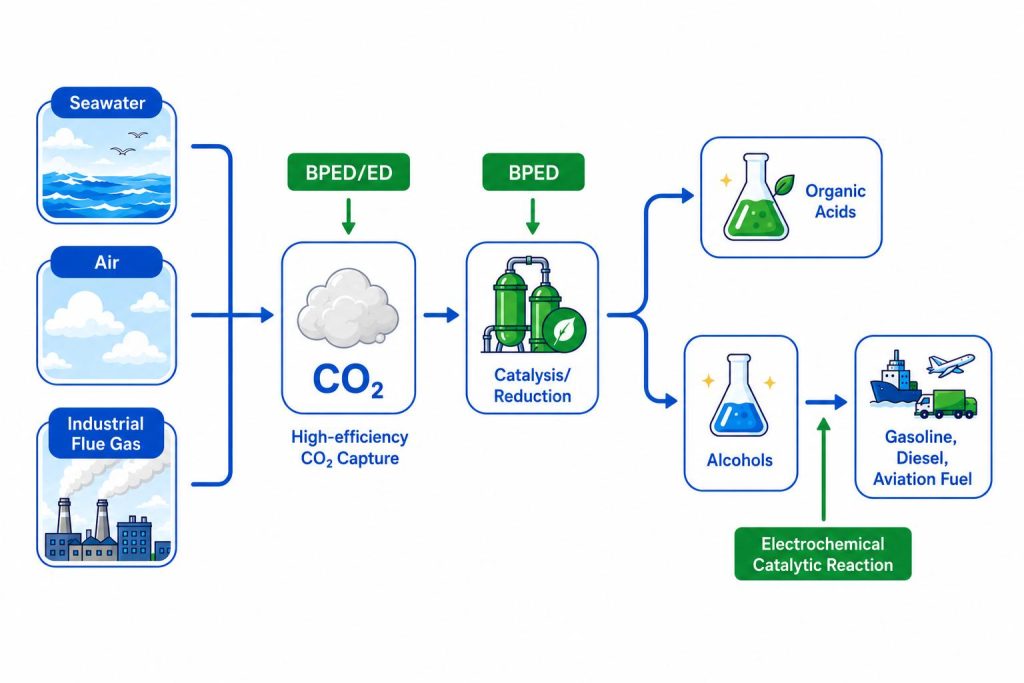
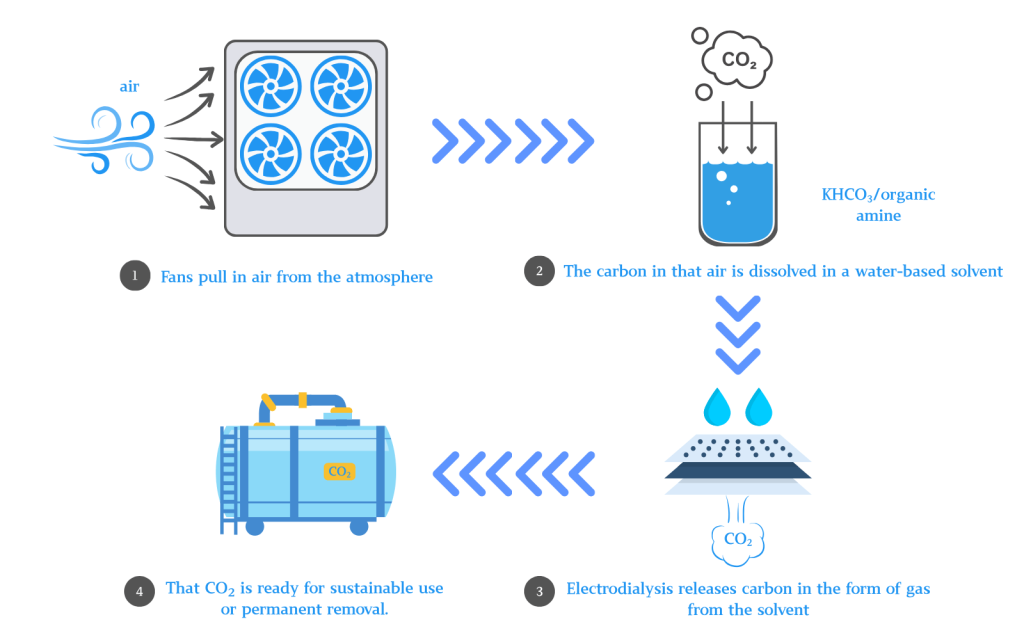
Facing the global challenge of climate change, Lanran Tech stands at the forefront with our carbon capture and conversion solutions. Utilizing bipolar membrane electrodialysis technology, we efficiently capture CO₂ and convert it into high-value products.
Innovative Carbon Capture Methods
Our solutions help industries reduce their carbon footprint and comply with emissions regulations. We also participate in Carbon Capture, Utilization, and Storage(CCUS) by capturing excess CO₂ for either long-term storage or conversion into valuable chemicals and fuels. Using electrochemical conversion pathways, captured CO₂ can be transformed into products such as methane, methanol, ethanol, and ethylene. This dual approach not only helps address global warming but also supports the development of a more sustainable, circular carbon economy.
1. Seawater Carbon Capture and Ocean Alkalinity Enhancement
Harnessing the ocean’s natural CO₂ absorption capacity, Lanran’s BPED technology enhances the removal of bicarbonate ions from seawater and converts them into usable CO₂, which can be utilized for industrial applications while the ocean regains its ability to continuously absorb carbon dioxide from the atmosphere. Or by increasing ocean alkalinity, its capacity to absorb carbon dioxide from the atmosphere can be enhanced.
2. Industrial Emissions Carbon Capture
For sectors like steel, cement, and chemicals, Lanran converts salts into acid and base. The acid supports industrial processes, while the base absorbs CO₂ to produce sodium carbonate, enabling in-plant emission reduction and green manufacturing.
3. Organic Amine Purification
LANRAN Electrodialysis(ED)systems enable highly efficient removal of heat stable salts(HSS) from organic amine solutions, achieving low wastewater discharge while maintaining high purification performance. The technology effectively regenerates and purifies organic amines, helping customers reduce chemical consumption, extend solvent service life, and improve the overall sustainability and operational efficiency of industrial processes.
Carbon Conversion-Value-Added Chemicals
Captured CO₂ is transformed through bipolar membrane electrolysis into high-value chemicals such as formic acid, acetic acid, methanol, ethanol, hexanol, and ethylene.
Conversion of NaCl from seawater(using DOC+OAE)into acids and alkalis to release CO₂, and enhance ocean alkalinity.(1,000 tons/year CO₂ Capture, in USA)
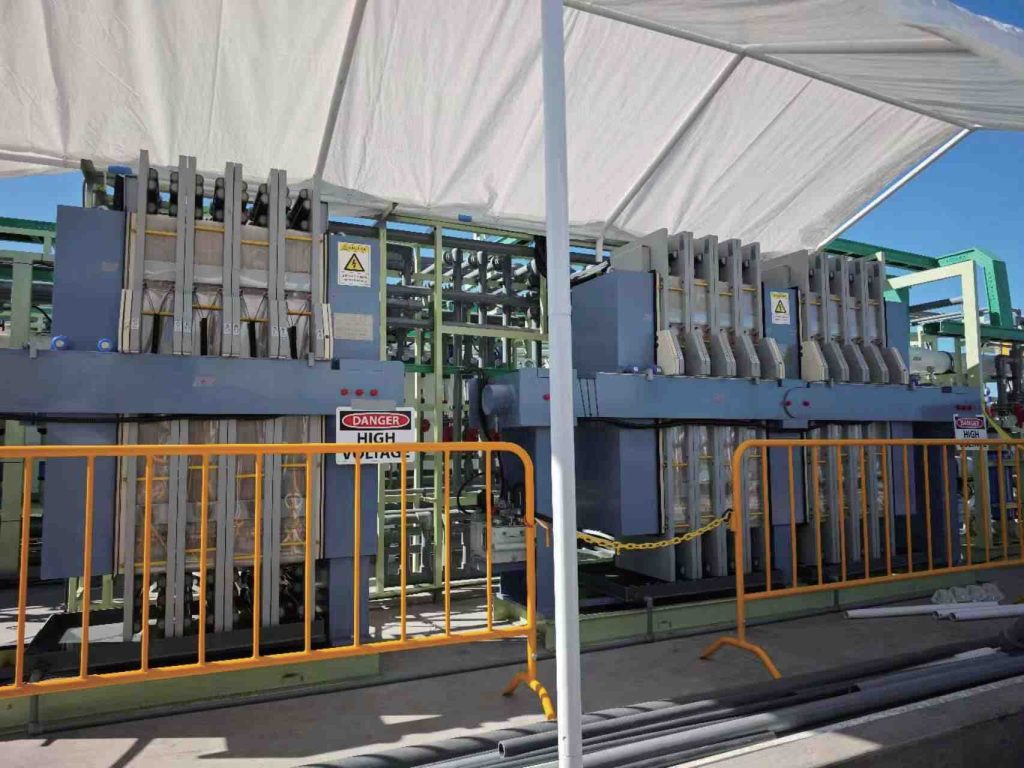
Organic amine heat stable salt (HSS) removal for a 2,000,000 tons/year CO₂ capture and storage project (in Inner Mongolia Province, China)