BPED Technology for Molybdate Conversion and Molybdic Acid Production
Bipolar Membrane Electrodialysis (BPED) offers a practical way to convert dissolved salts into acids and alkalis. It uses water dissociation to generate H⁺ and OH⁻ ions, supporting chemical conversion through membrane separation.
LANRAN’s BPED Solution for Molybdate Conversion
In this project, ammonium molybdate and sodium molybdate serve as feedstocks for the BPED process.
LANRAN’s BPED system converts the feed solution into a molybdic acid solution and an alkaline stream. The molybdic acid solution then undergoes further purification to produce high-purity molybdic acid.
Meanwhile, the system generates alkali for reuse in the upstream process. This alkali helps dissolve the feedstocks, supporting chemical reuse within the production cycle.
Process Flow:
Molybdate Salts → BPED → Molybdic Acid Solution + Alkali → Further Purification → High-Purity Molybdic Acid
By returning the generated alkali to the upstream process, the system makes better use of the chemicals produced during conversion. As a result, the process supports chemical reuse and improves integration between production stages.
From BPED Technology to Industrial Application
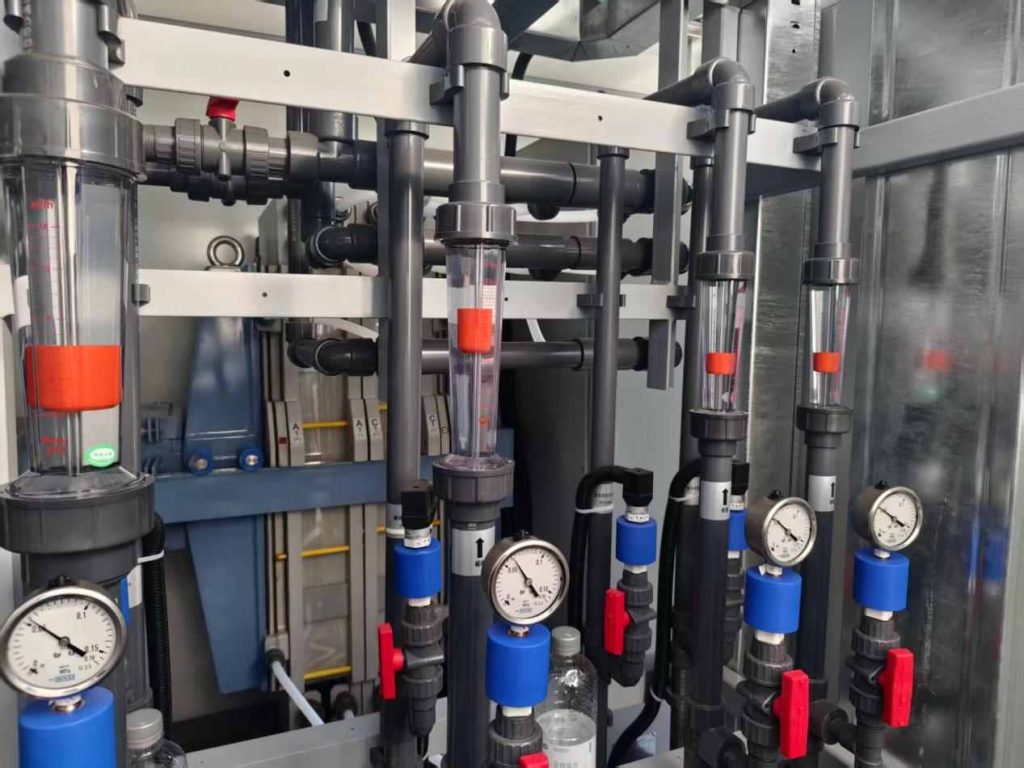
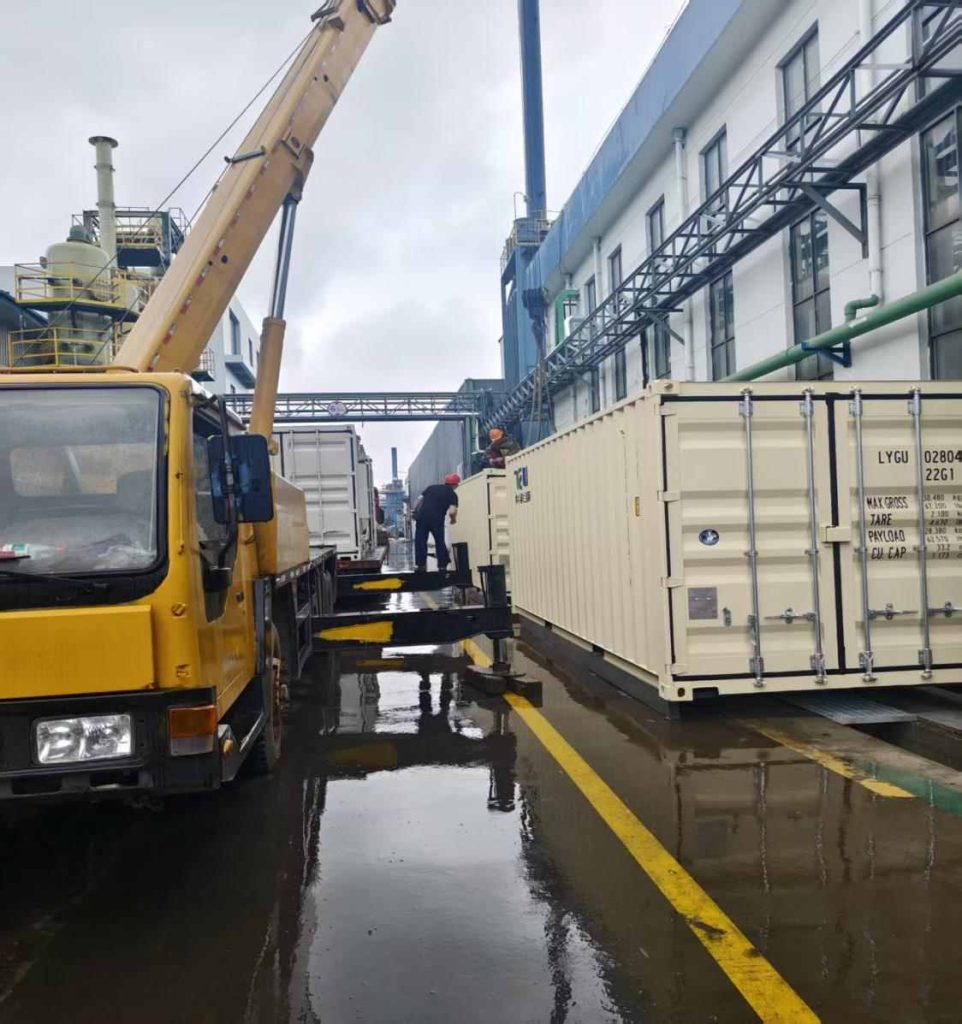
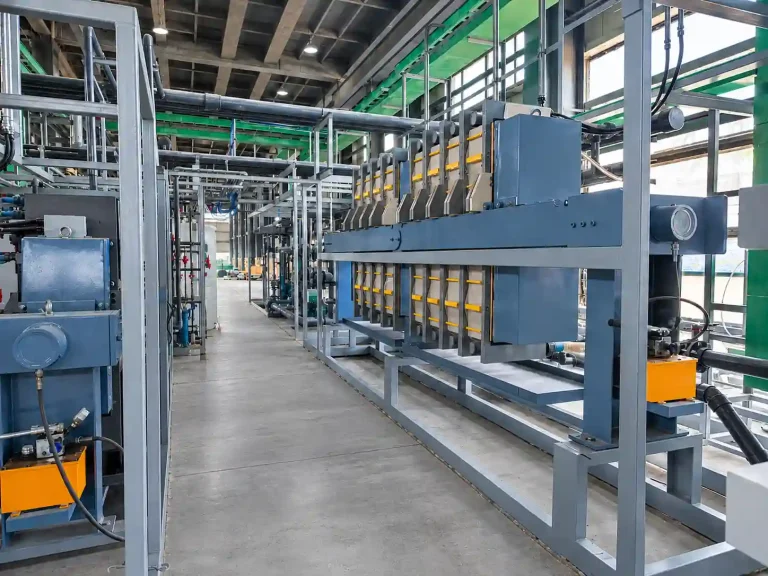
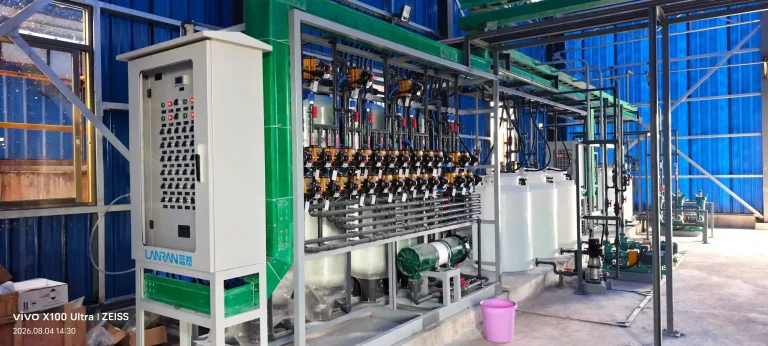
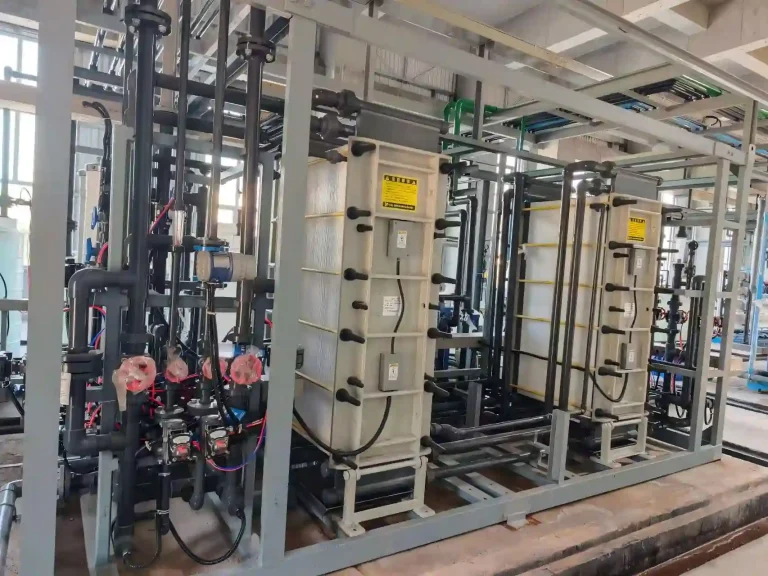
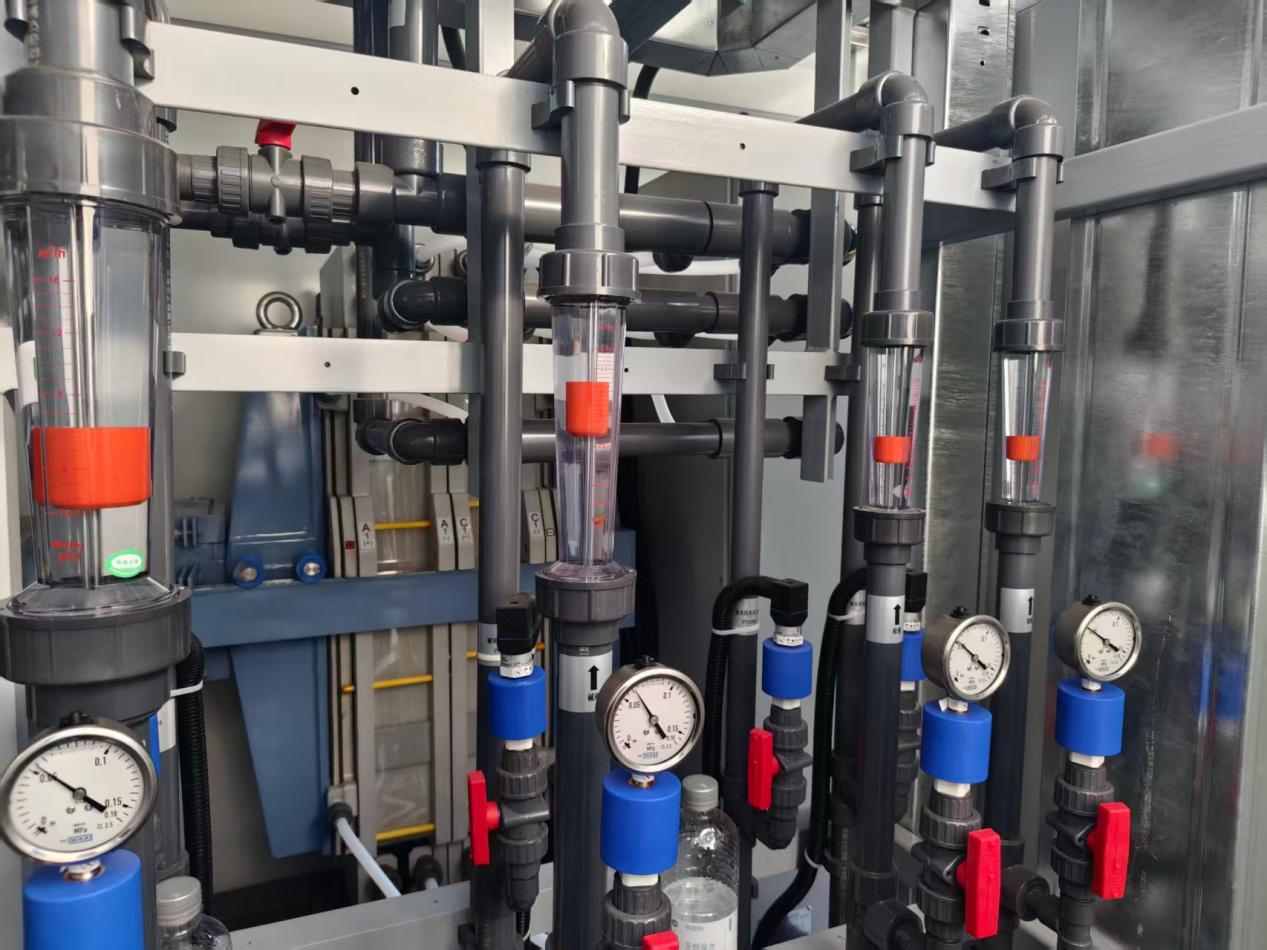
LANRAN designed and manufactured a containerized BPED system for this industrial project. The system provides an integrated equipment solution, while LANRAN’s technical team supports on-site installation and commissioning.
More importantly, the project demonstrates how BPED can link molybdate conversion with downstream purification and alkaline reuse.
Supporting More Resource-Efficient Production
By reusing the generated alkali, the process can reduce the need for fresh chemicals in upstream operations. It also creates opportunities to improve resource utilization in molybdic acid production.
For molybdenum chemical producers, LANRAN’s BPED technology offers an approach to integrating salt conversion and chemical reuse. This helps manufacturers explore more resource-efficient production processes while making better use of process chemicals.