Electrodialysis for Steel Wastewater Zero Liquid Discharge
Steel production generates high-salinity wastewater that can be difficult to treat. As water reuse and zero liquid discharge (ZLD) become more important, managing reverse osmosis (RO) concentrate remains a key challenge.
Final evaporation can consume significant energy. Therefore, reducing the volume of water sent to evaporation can help improve overall treatment efficiency.
LANRAN’s Electrodialysis Solution for RO Concentrate
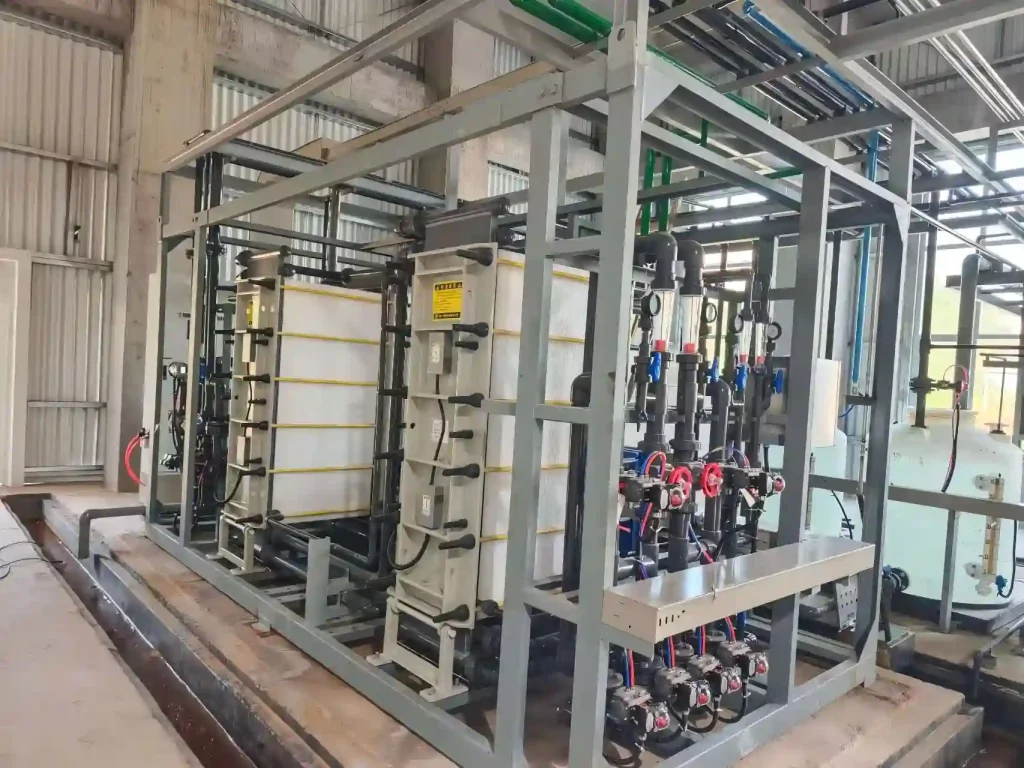
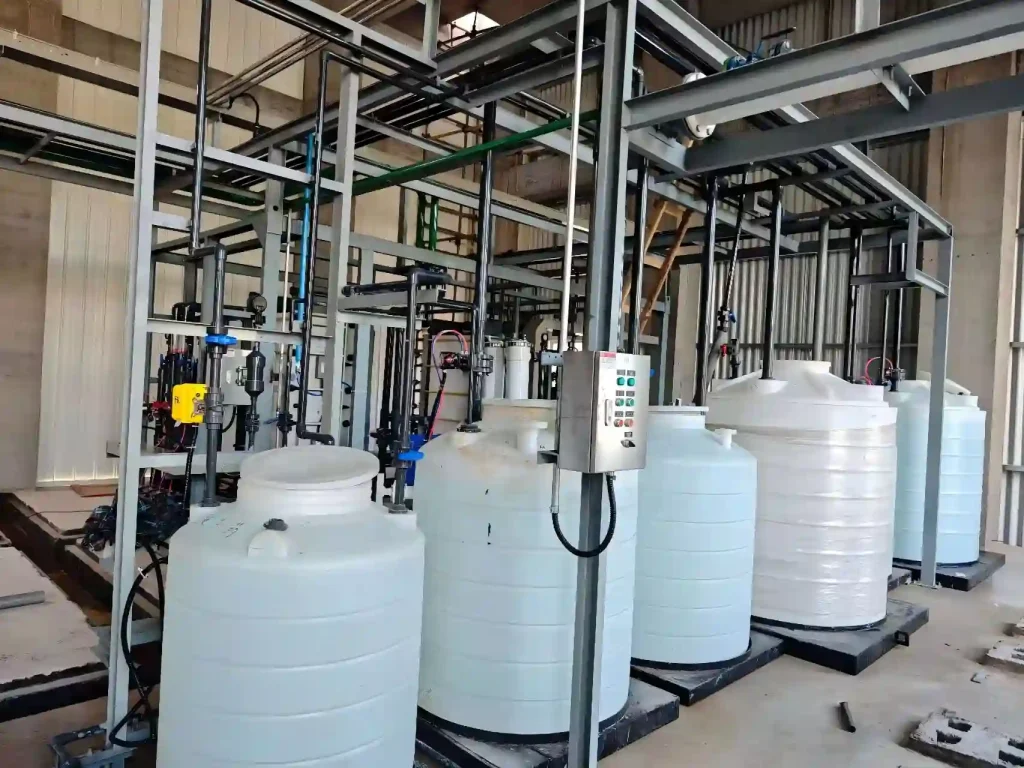
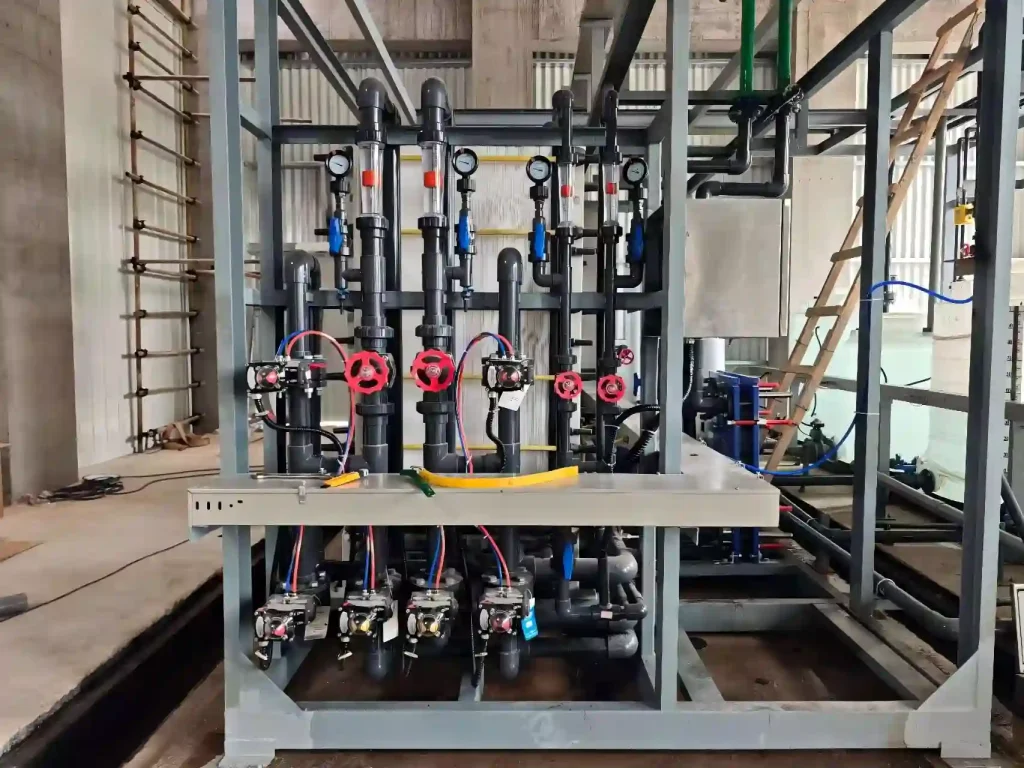
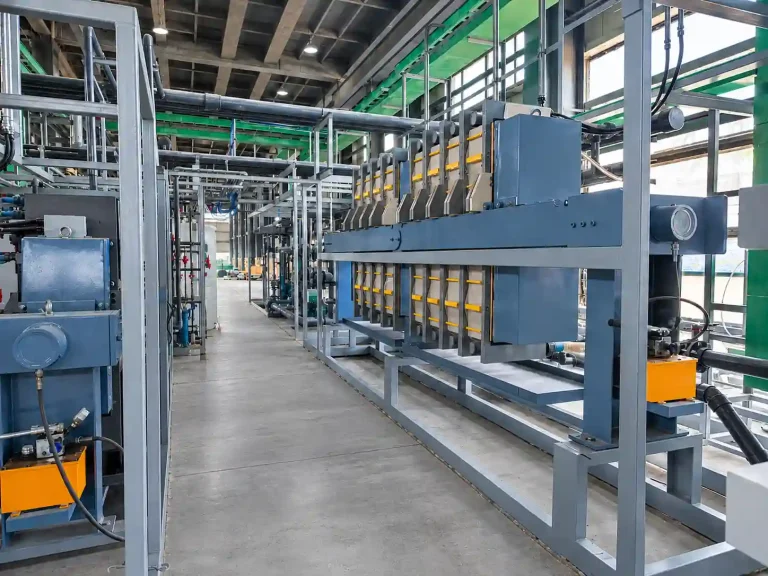
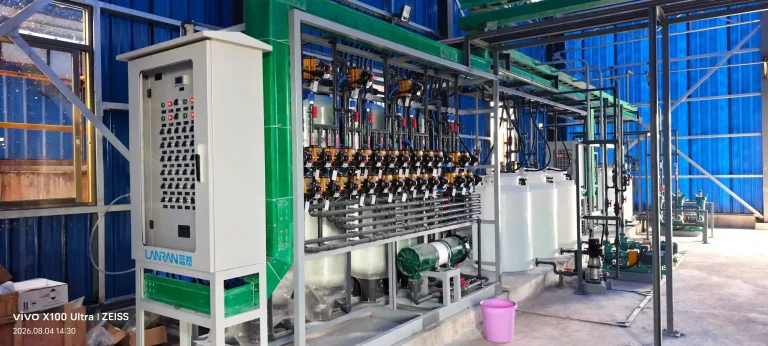
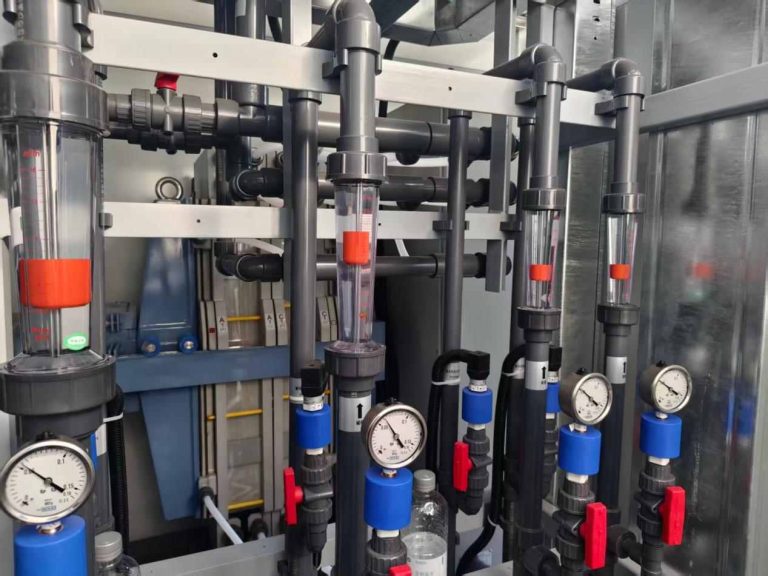
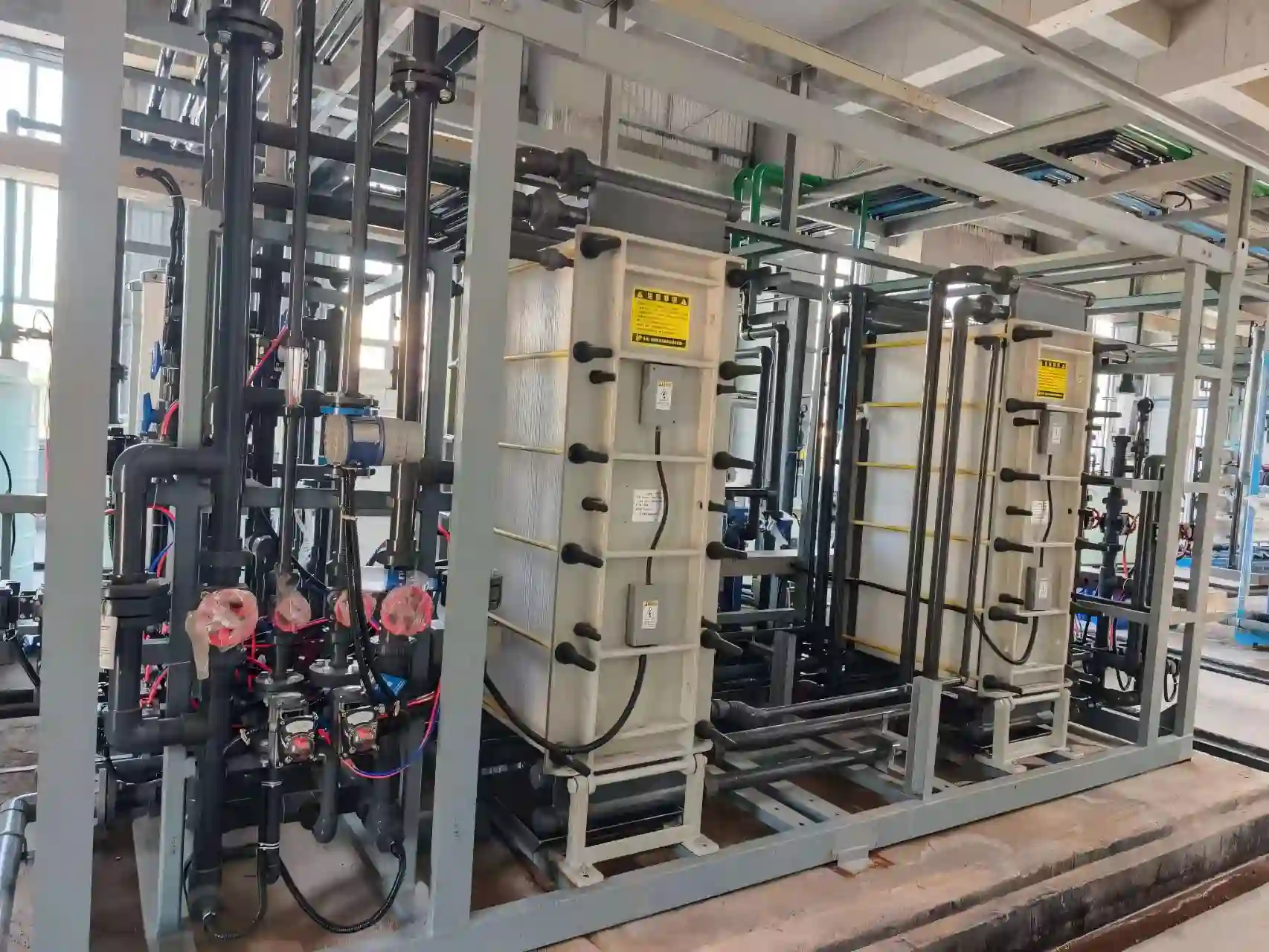
In the Yunnan Shenlong Steel Wastewater ZLD Project, LANRAN integrates electrodialysis (ED) downstream of the secondary RO process.
The ED system further concentrates the RO concentrate before final evaporation. Meanwhile, the dilute stream returns to the upstream RO process for further treatment and water recovery.
Process Flow:
Secondary RO Concentrate → Electrodialysis → Concentrate → Final Evaporation
Dilute Stream → Upstream RO Process
Reducing the Load on Final Evaporation
By adding ED as an intermediate concentration step, the process reduces the volume of water entering final evaporation. It also returns the dilute stream to the RO process, supporting water recovery within the treatment system.
This integrated approach helps optimize the treatment of high-salinity wastewater. It also supports ZLD by combining RO, electrodialysis, and evaporation in a coordinated process.
From Installation to Industrial Operation
LANRAN completed the system installation and commissioning in July 2026. The system entered production that same month.
The project demonstrates how industrial electrodialysis can support steel wastewater ZLD. By concentrating RO concentrate before evaporation, LANRAN helps customers manage high-salinity wastewater and improve the integration of water treatment processes.