Sodium Sulfate to Acid & Alkali via BPED
A 10,000 t/y Resource Recovery Project in Xinjiang’s Textile Industry
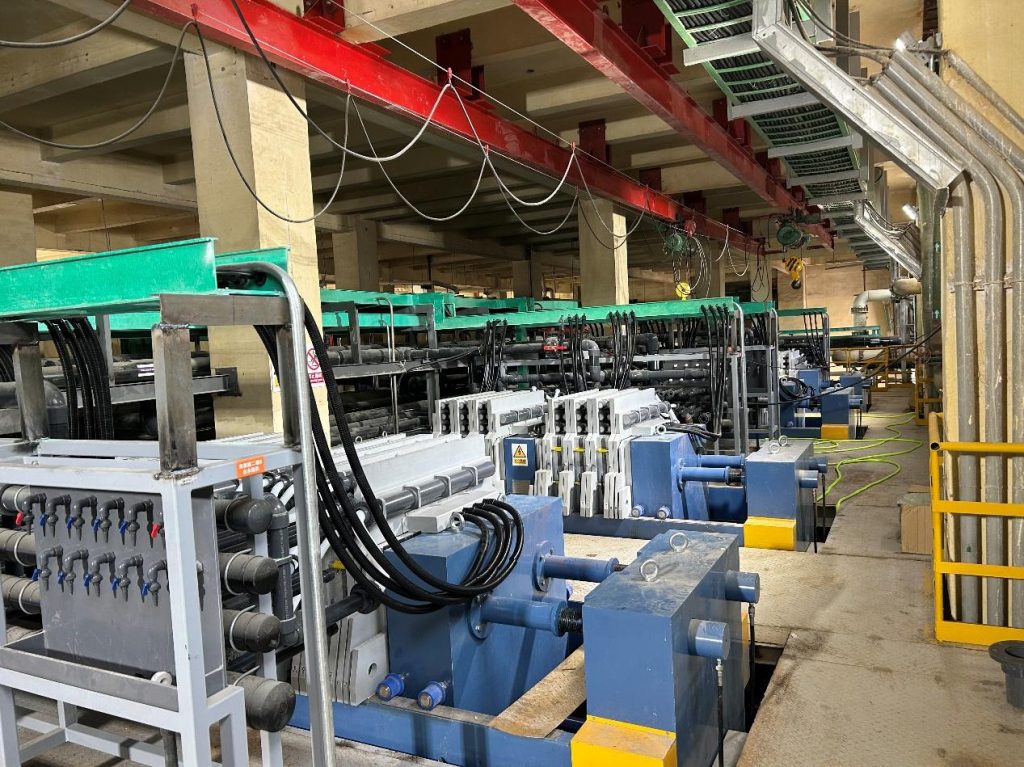
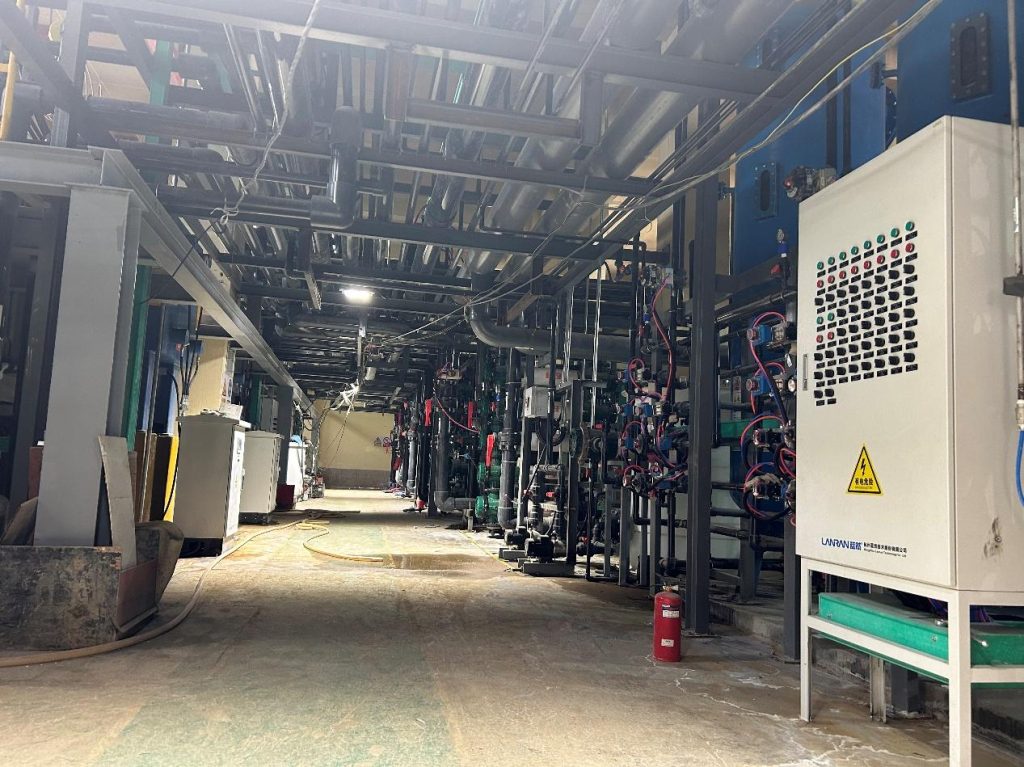
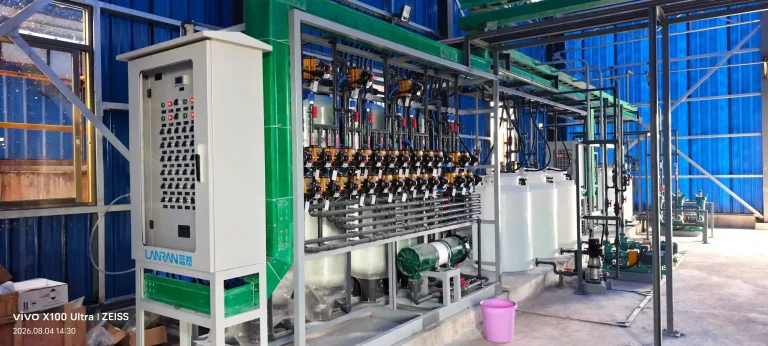
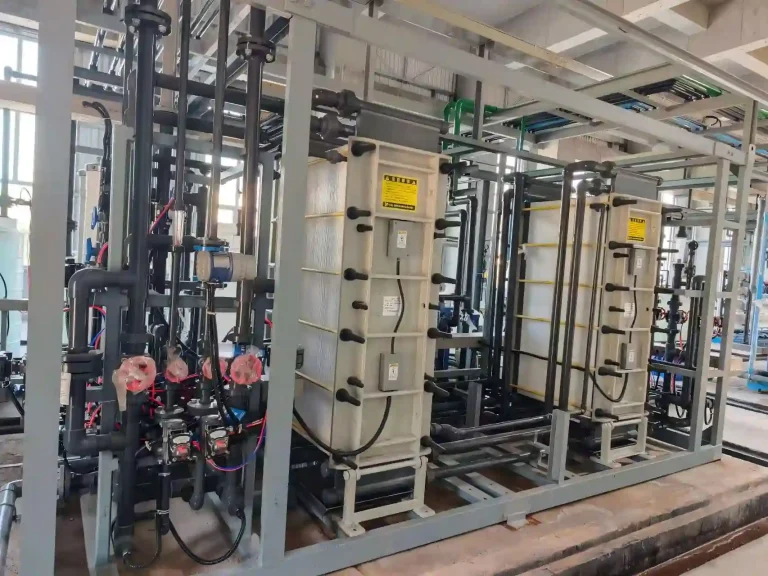
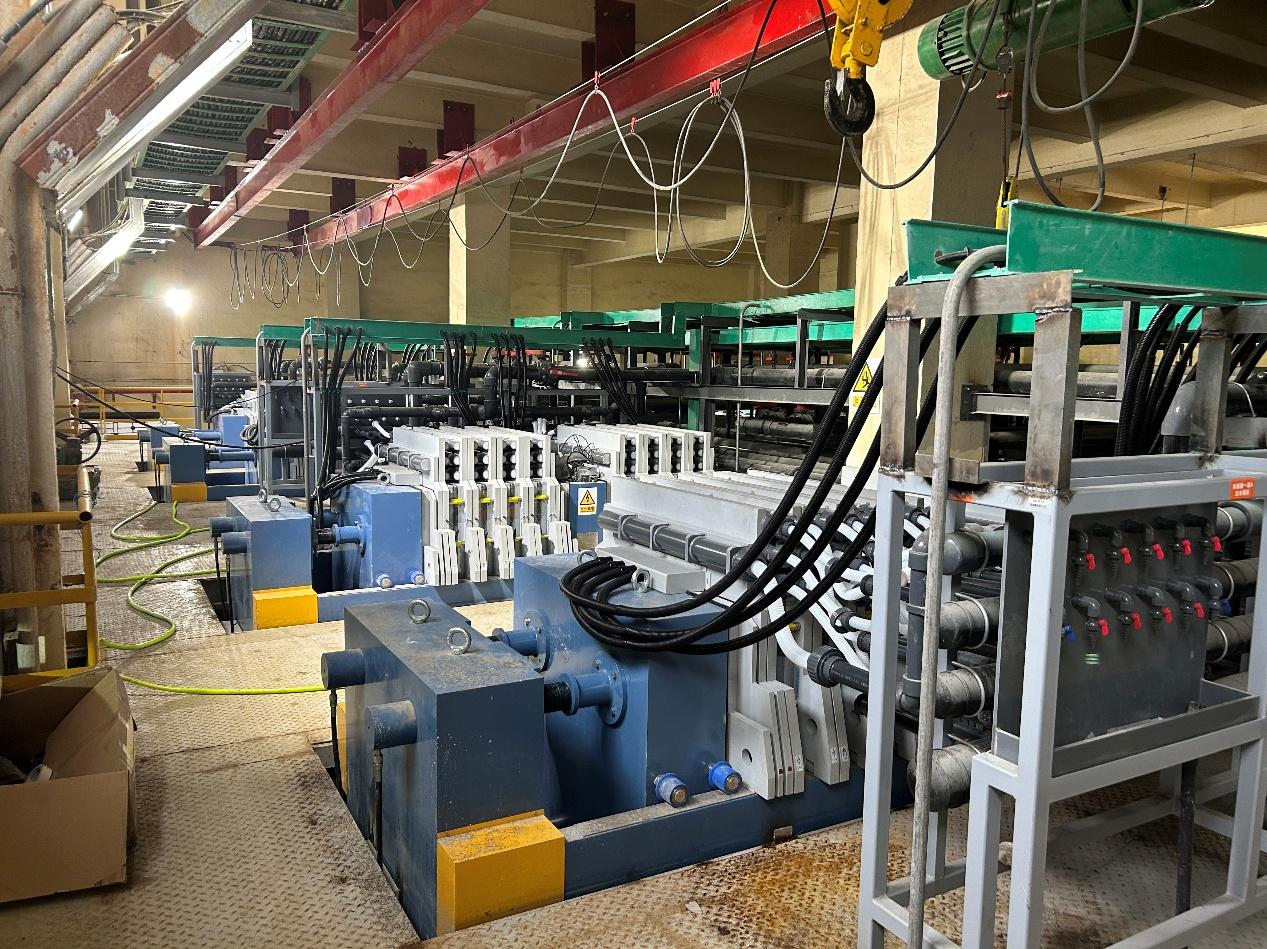
As the first electrodialysis application in Xinjiang’s textile industry, this project demonstrates how Bipolar Membrane Electrodialysis (BPED) converts sodium sulfate solid waste into reusable sulfuric acid and caustic soda.
Using a streamlined process of dissolution → BPED conversion → concentration → internal reuse, the system enables on-site chemical regeneration and supports a more sustainable, cost-efficient production model.
Project Overview
Location: Xinjiang, China
Industry: Textile (Viscose Fiber)
Technology: Bipolar Membrane Electrodialysis (BPED)
Capacity: 10,000 tons/year of sodium sulfate solid waste
Key Outputs:
~5,400 tons/year NaOH (100% basis)
~7,249 tons/year H₂SO₄ (93%)
Economic Value:
Estimated > RMB 30 million/year
(based on reference market prices: NaOH RMB 3,000/t; H₂SO₄ RMB 2,000/t)
Project Value
Resource Recovery: Transforms sodium sulfate waste into reusable chemicals.
Cost Reduction: Reduces reliance on externally purchased acid and alkali.
Environmental Impact: Lowers solid waste accumulation and wastewater discharge.
Industrial Replicability: Provides a scalable model for salt waste utilization in the textile and chemical sectors.
Why Use BPED for Sodium Sulfate Recovery?
- Direct conversion into acid and alkali
- No additional chemical input during conversion
- Stable product quality
- Flexible integration into existing plants
- Supports circular economy and sustainable manufacturing
Applications
- Textile and viscose fiber production
- Chemical manufacturing
- Industrial salt waste treatment
- Circular economy and zero discharge systems
Conclusion
This BPED project demonstrates a practical and scalable approach to turn sodium sulfate waste into valuable resources, supporting both economic efficiency and environmental performance in modern industry.
Contact us to explore customized BPED solutions for your plant.