Turn Sodium Sulfate Wastewater into Sulfuric Acid and Caustic Soda with BPED
High-salinity wastewater can create high treatment costs and ongoing demand for fresh chemicals.
LANRAN’s Bipolar Membrane Electrodialysis (BPED) technology offers another option. It converts sodium sulfate (Na₂SO₄) in suitable wastewater streams into sulfuric acid (H₂SO₄) and caustic soda (NaOH), which can be reused in industrial processes.
As a result, companies can recover useful chemicals from wastewater, reduce waste handling needs, and improve resource use.
Why Recover Sodium Sulfate from Industrial Wastewater?
Industrial parks in Tumxuk City, Xinjiang, serve textile, viscose fiber, chemical, and pharmaceutical manufacturers. These industries generate large amounts of high-salinity wastewater, often containing sodium sulfate as a major salt.
Traditional treatment methods, such as evaporation and crystallization, can require high energy input. In addition, the recovered salt may have limited value, while transport and disposal add further costs.
At the same time, many factories continue to buy acids and alkalis for production and wastewater treatment. Therefore, recovering chemicals from wastewater can help address both waste treatment costs and chemical supply needs.
How BPED Converts Sodium Sulfate into Useful Chemicals
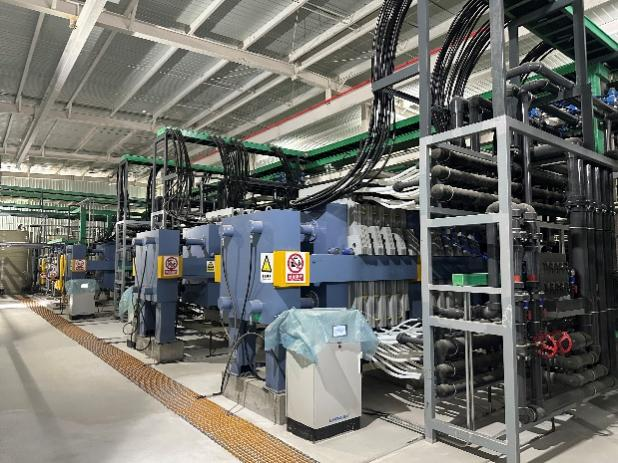
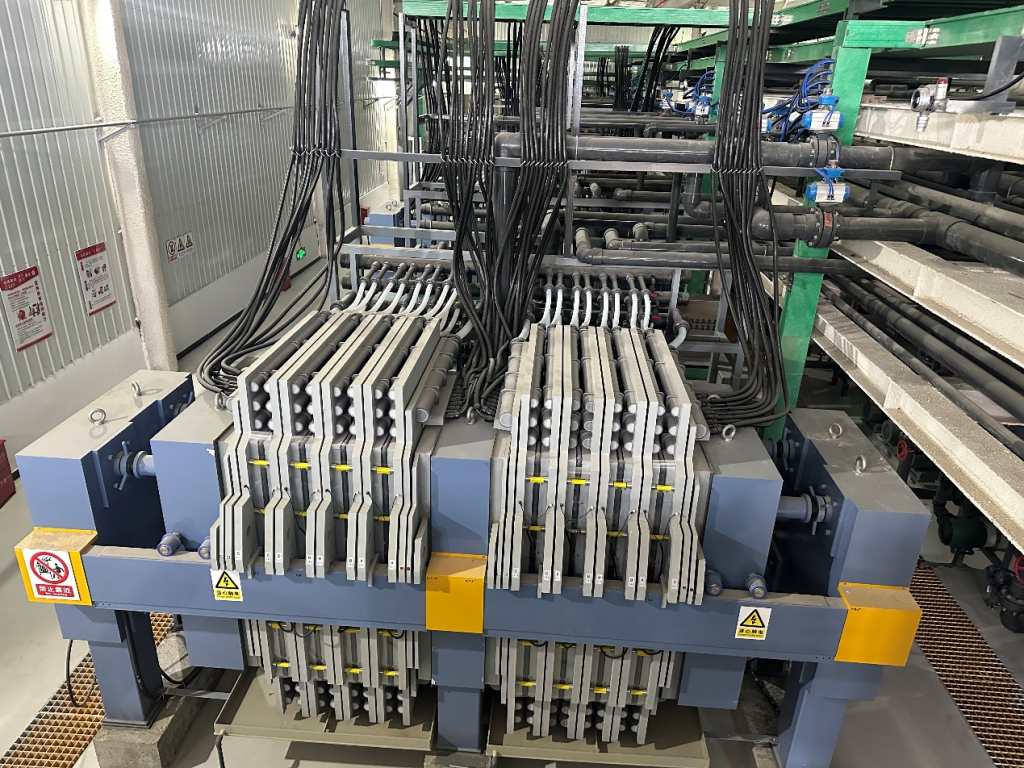
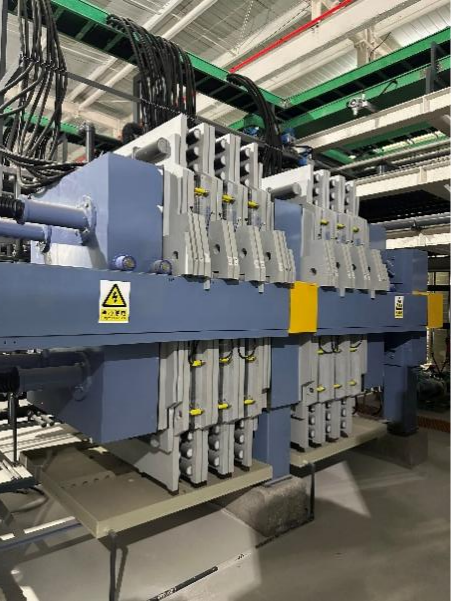
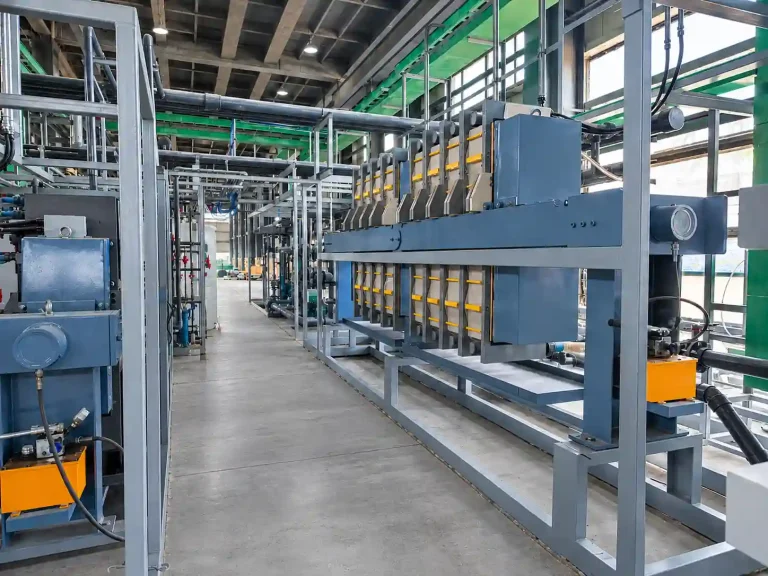
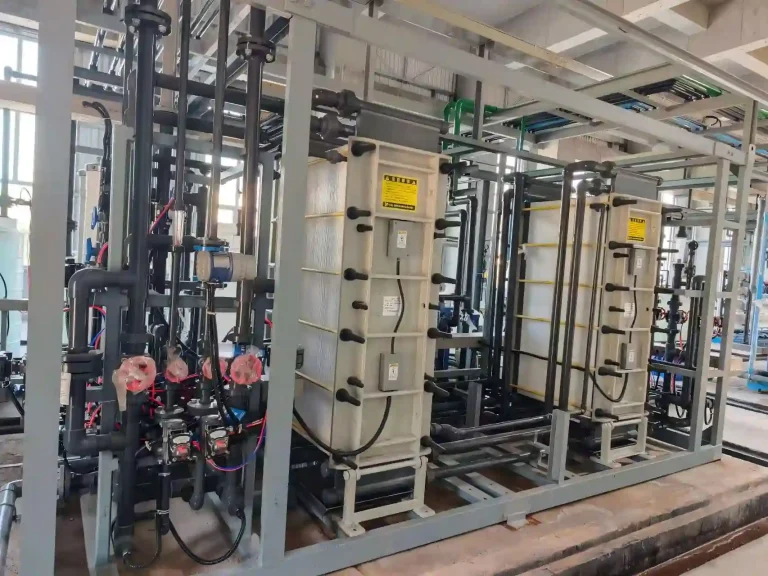
LANRAN’s BPED system uses ion-exchange membranes and an electric field to convert sodium sulfate into acid and alkali.
During the process, bipolar membranes split water into hydrogen ions (H⁺) and hydroxide ions (OH⁻). These ions react with the sulfate and sodium ions to produce sulfuric acid and sodium hydroxide.
The overall reaction is:
Na₂SO₄ + 2H₂O → 2NaOH + H₂SO₄
The two products can then support different plant operations:
- Sulfuric acid (H₂SO₄): For suitable acid-demanding process steps.
- Caustic soda (NaOH): For production processes and wastewater treatment.
When the recovered chemicals meet the plant’s process requirements, companies can reuse them onsite. This creates an opportunity to reduce reliance on purchased chemicals and make better use of wastewater resources.
Industrial Case: Sodium Sulfate Recovery in Xinjiang
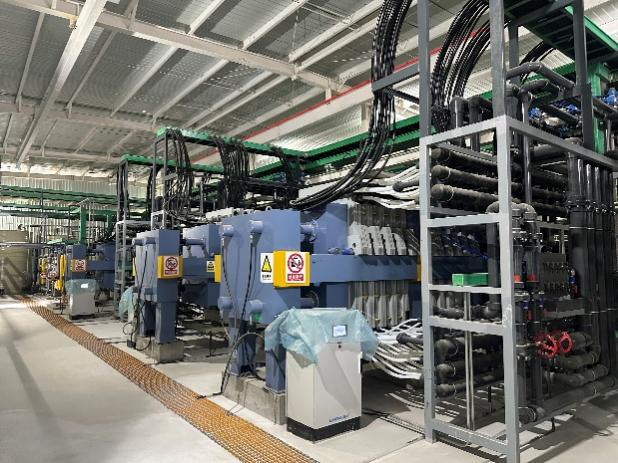
A large-scale project in Xinjiang shows how BPED can support industrial salt recovery and chemical reuse.
Key project data include:
- Feed concentration: Approximately 260 g/L Na₂SO₄
- Treatment capacity: 8.61 m³/h
- Annual sodium sulfate conversion: More than 15,000 tonnes
- Annual NaOH output: Approximately 8,500 tonnes
- Annual H₂SO₄ output: More than 10,000 tonnes
Based on the project estimate, the system can reduce annual chemical procurement costs by approximately RMB 60 million.
This value highlights the potential of onsite acid and alkali recovery. Actual savings depend on chemical prices, product quality, reuse rates, energy use, and plant operating conditions.
Key Benefits of LANRAN BPED Technology
1. Reduce Chemical Procurement Costs
By recovering acid and alkali from sodium sulfate wastewater, plants can replace part of their purchased chemical supply. Consequently, they may reduce ongoing procurement costs.
2. Reduce Waste Treatment Costs
Instead of treating sodium sulfate only as a waste stream, BPED enables its conversion into useful chemicals. This approach can reduce the amount of salt requiring further handling, depending on the overall process design.
3. Improve Resource Use
BPED recovers value from wastewater that would otherwise require treatment. In addition, the acid and alkali products can support suitable operations within the plant.
4. Support Circular Production
When a facility can reuse both products, it can connect wastewater treatment with chemical supply. This creates a more circular production model and may reduce dependence on external chemical deliveries.
5. Support Automated Operation
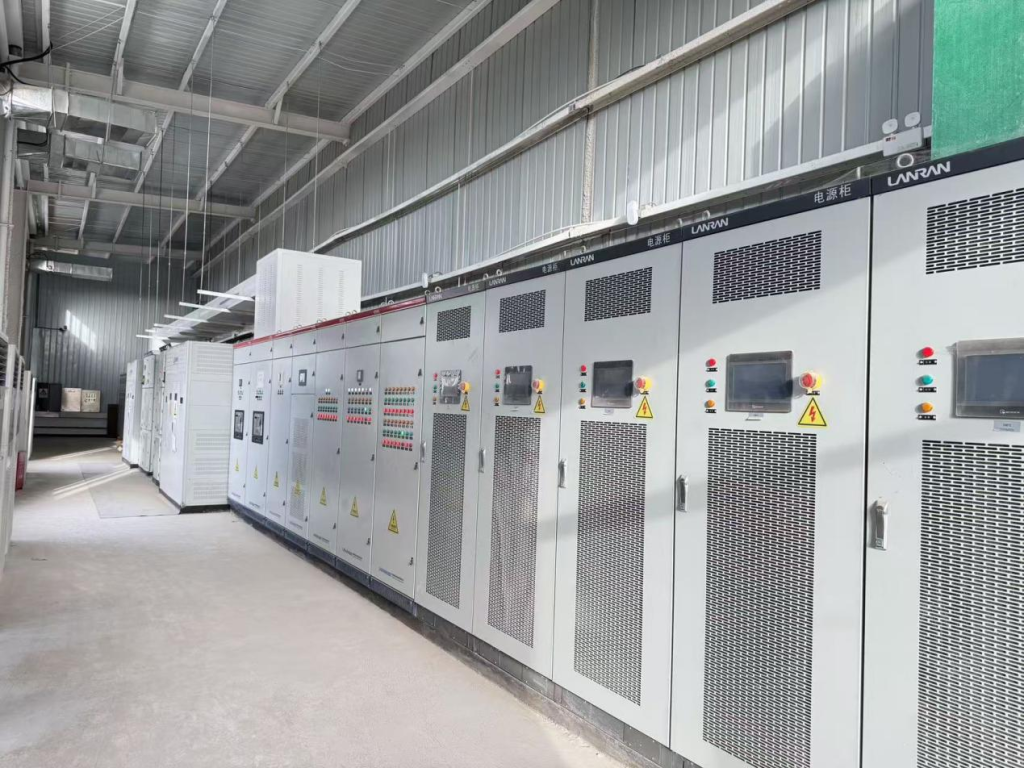
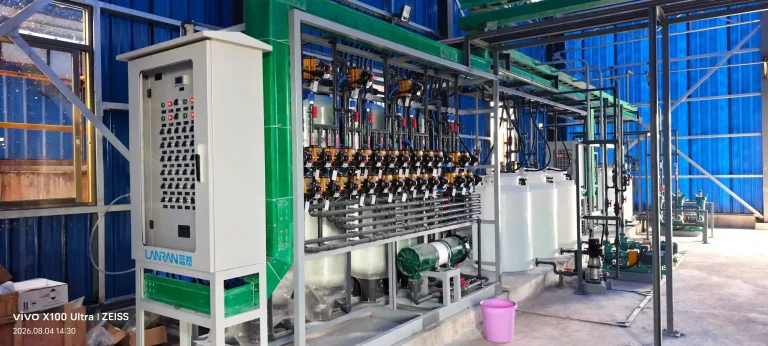
PLC-based control supports system monitoring and automated operation. Furthermore, modular system design can help match equipment capacity to project needs.
Where Can BPED Be Used?
LANRAN BPED technology can be considered for suitable streams in:
- Textile and viscose fiber production
- Chemical manufacturing
- Pharmaceutical wastewater treatment
- Industrial brine and sodium sulfate recovery
- Zero Liquid Discharge (ZLD) systems
The best solution depends on wastewater composition, target product quality, chemical reuse needs, and operating conditions.
Turn Wastewater into a Resource with LANRAN
High-salinity wastewater does not have to be only a treatment burden. With suitable BPED process design, sodium sulfate can become a source of sulfuric acid and caustic soda for industrial reuse.
LANRAN provides membrane technology and BPED equipment to help industrial customers assess chemical recovery opportunities and develop solutions for their process needs.
Contact LANRAN to discuss your wastewater composition, recovery targets, and project requirements.
Turn waste into value. Recover useful chemicals. Improve resource efficiency.