“15th Five-Year Plan” Carbon Reduction Policy Implementation: How Bipolar Membrane Electrodialysis Supports Industrial Decarbonization and Waste Salt Valorization
From 2026 onward, China’s “15th Five-Year Plan” enters full implementation, marking a shift in industrial green transition from policy orientation to execution-driven practice. Recently, an article published in Qiushi Journal by Zheng Shanjie, Secretary of the Party Leadership Group and Director of the National Development and Reform Commission, further clarified key directions for this phase of development.
Key targets include:
- Continuous reduction in carbon intensity per unit of GDP
- Mandatory carbon emission equivalence or reduction replacement for new and expanded “high energy-consuming and high-emission” (Two-High) projects
- Acceleration of a dual-control system for total carbon emissions and carbon intensity
As these policies take effect, industrial regulation is shifting from energy consumption control to carbon emission control, fundamentally reshaping project approval, process design, and resource utilization models—particularly in chemical and materials industries.
1. Structural Shifts in the Chemical Industry
1) Carbon quota replacement becomes a core project entry requirement
New capacity expansion projects are now required not only to meet production and economic feasibility standards, but also to secure carbon emission allowances through equivalence or reduction mechanisms.
This introduces new requirements for enterprises, including:
- Carbon accounting and boundary definition capabilities
- Decarbonization pathway design and technology readiness
- Carbon asset and quota management systems
Carbon constraints are becoming a precondition for project viability rather than a post-assessment factor.
2) Energy transition drives process restructuring
As power systems become increasingly decarbonized, industrial energy structures are shifting from fossil-fuel-based thermal systems toward electricity-driven processes with higher renewable penetration.
This transition is reshaping process economics in three ways:
- Rising importance of electricity-based operating models
- Increasing carbon pressure on thermal processes
- Re-evaluation of process efficiency under new cost structures
Industrial optimization is moving from isolated energy-saving measures to system-level low-carbon redesign.
3) Solid waste management shifts toward circular utilization
Driven by carbon neutrality goals and stricter waste regulations, industrial salt and high-salinity wastewater are being redefined.
The focus is shifting:
- From end-of-pipe disposal → to resource recovery
- From compliance-driven treatment → to value recovery
- From cost burden → to secondary resource streams
Waste salt is increasingly recognized as a potential resource carrier rather than a disposal liability.
2. Engineering Pathways of Electro-Membrane Separation Technologies
Under these evolving constraints, electro-driven membrane processes—especially Electrodialysis (ED) and Bipolar Membrane Electrodialysis (BPED)—are transitioning from auxiliary environmental treatment units to core process components in industrial systems.
Their engineering value is reflected in several aspects:
- Electricity-driven ion migration enables better integration with renewable power systems
- Operation under ambient temperature and pressure reduces reliance on steam and high-temperature utilities
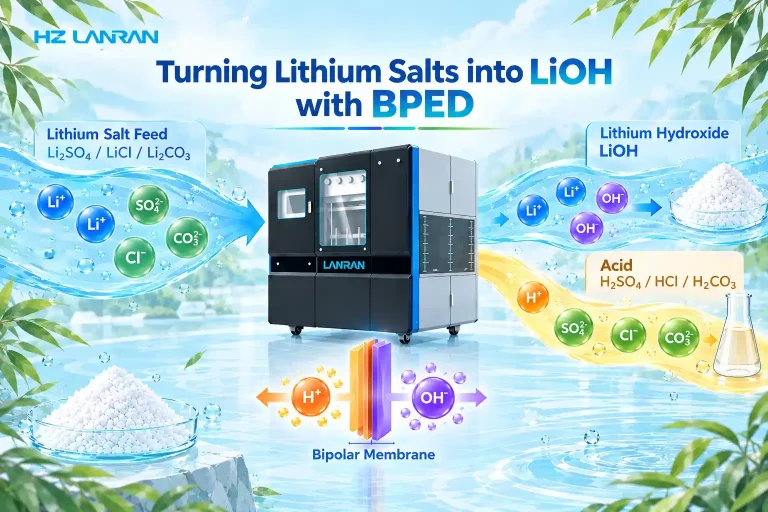
- Enables salt separation and acid/alkali generation for resource recovery
- Potential for lower overall energy consumption in suitable applications
Compared with conventional thermal evaporation processes, electro-driven membrane systems offer a fundamentally different process framework:
| Dimension | Thermal Evaporation / Thermal Processes | Electro-Membrane Separation |
|---|---|---|
| Energy source | Steam / fossil-based energy | Electricity |
| Operating conditions | High temperature & pressure | Ambient conditions |
| Renewable power compatibility | Limited | High |
| Salt handling approach | Disposal-oriented | Resource recovery-oriented |
| Energy structure | Higher intensity | Optimization potential |
3. Key Industrial Application Scenarios
1) Chemical industry (Typical “Two-High” sector)
In chemical production systems, high-salinity by-products and acid/alkali streams are widely generated.
Electro-membrane technologies can be applied for:
- Acid/alkali conversion and recovery from waste salt systems
- Reduction of high-salinity wastewater load
- Recycling of process salt solutions
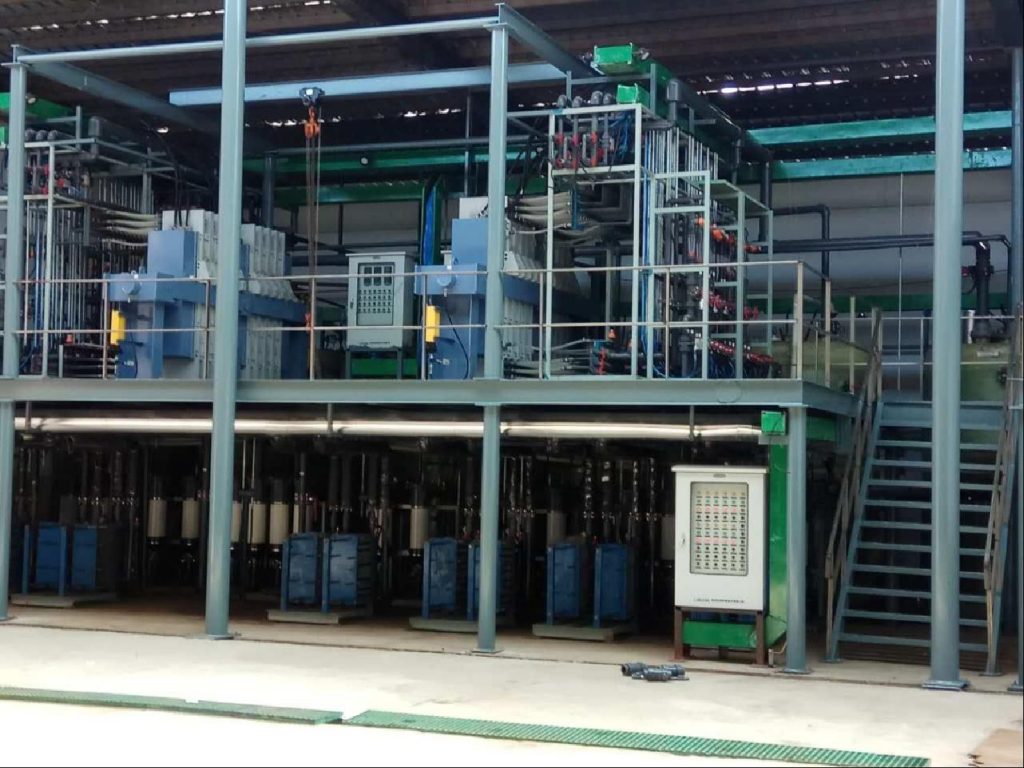
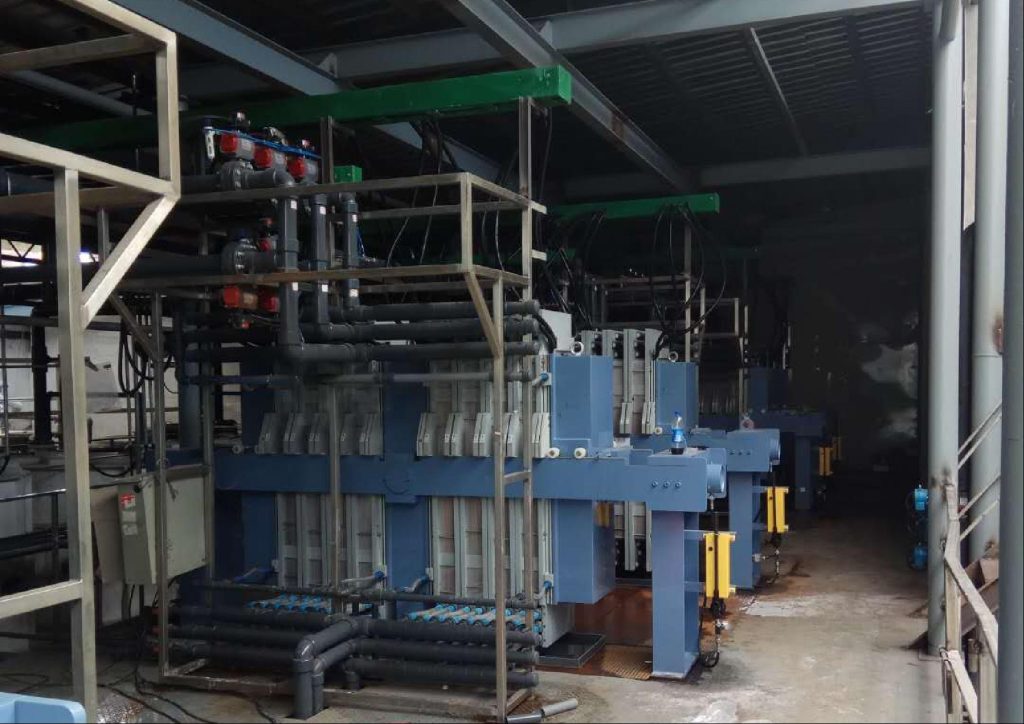
Example: Sodium sulfate conversion into sulfuric acid and sodium hydroxide in industrial-scale applications. (Na₂SO₄ 40,000tons/year)
2) New energy and lithium battery materials. In lithium resource development and battery material recycling, the technology supports:
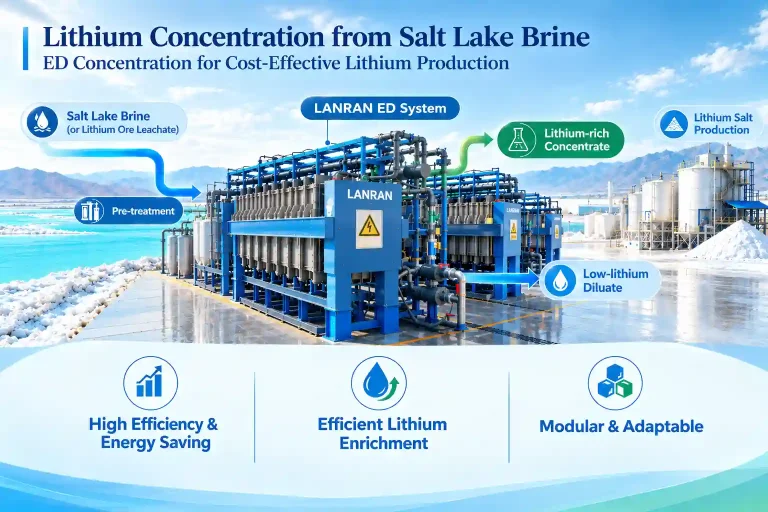
- Lithium salt concentration and purification
- Battery recycling solution treatment
- Mother liquor resource recovery in precursor production
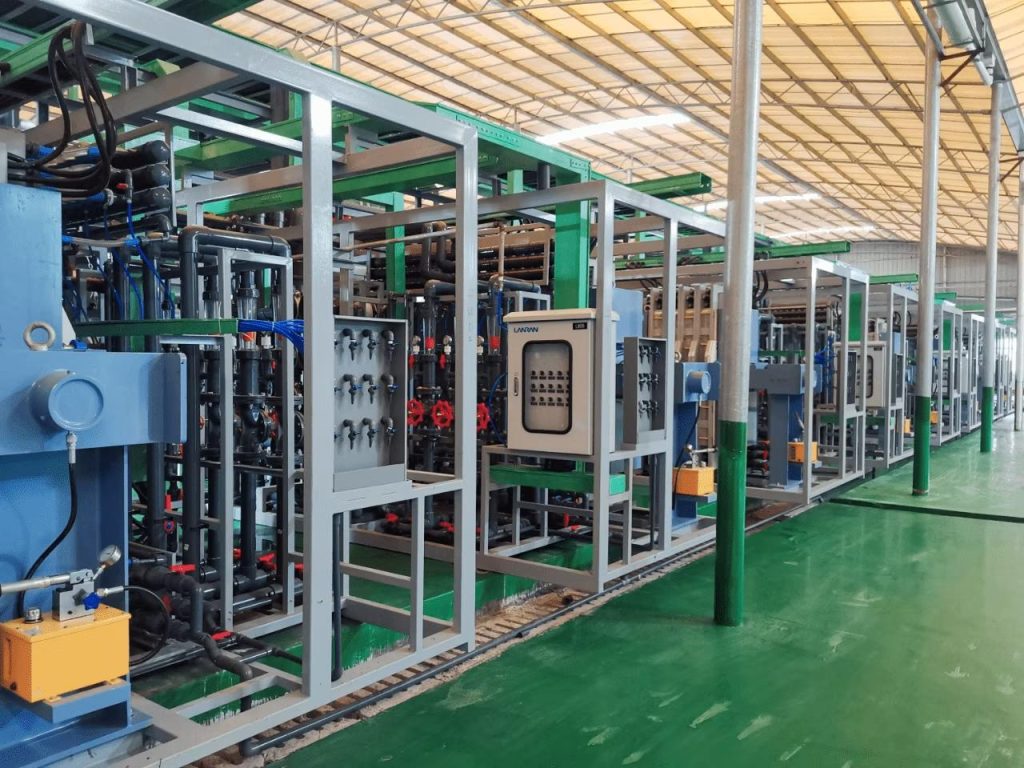
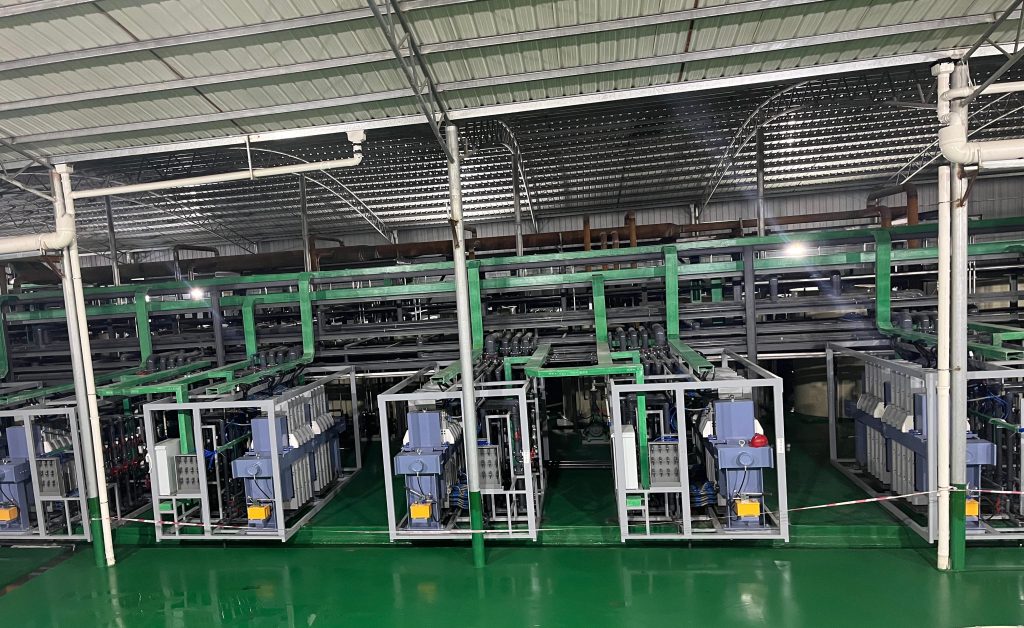
Example: Lithium sulfate conversion into battery-grade lithium hydroxide via bipolar membrane systems in industrial projects. (Li₂SO₄ 12,500tons/year)
3) Industrial zero liquid discharge (ZLD) systems
In ZLD systems, electro-membrane units are commonly used as front-end conditioning or load-reduction stages:
- Reducing the evaporation system burden
- Improving overall energy efficiency
- Optimizing operating cost structure
Example: Large-scale industrial wastewater treatment projects achieving significant water recovery and salt resource utilization. (NaCl 57,000 tons/year)
4. Engineering Practice by Hangzhou Lanran
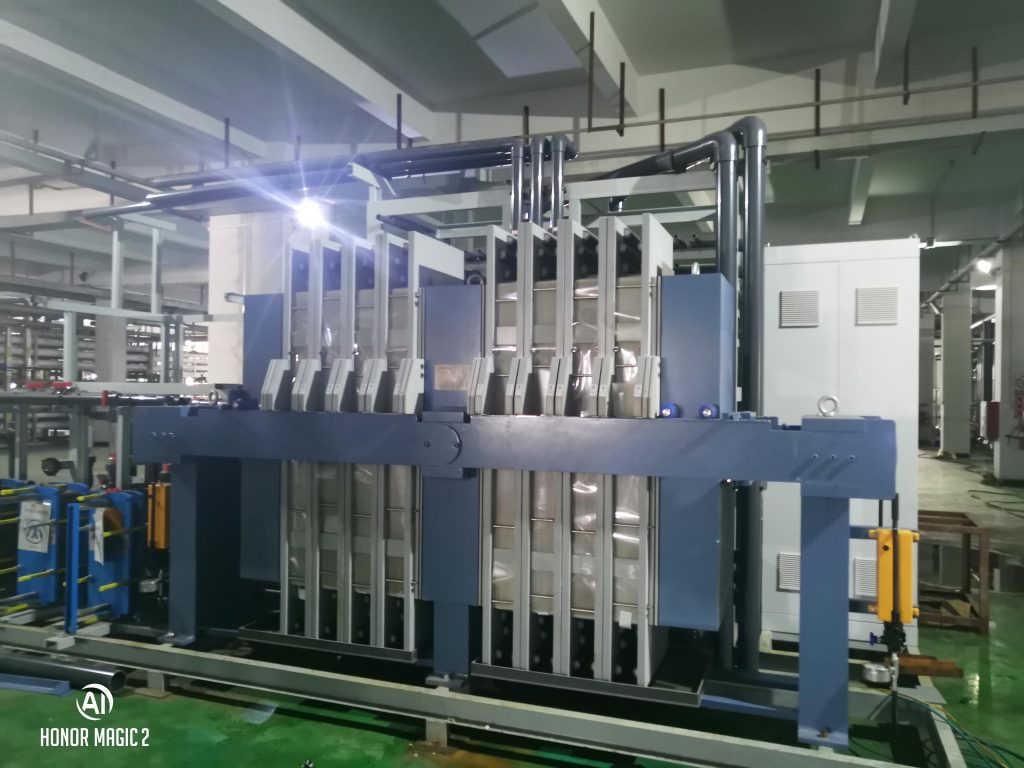
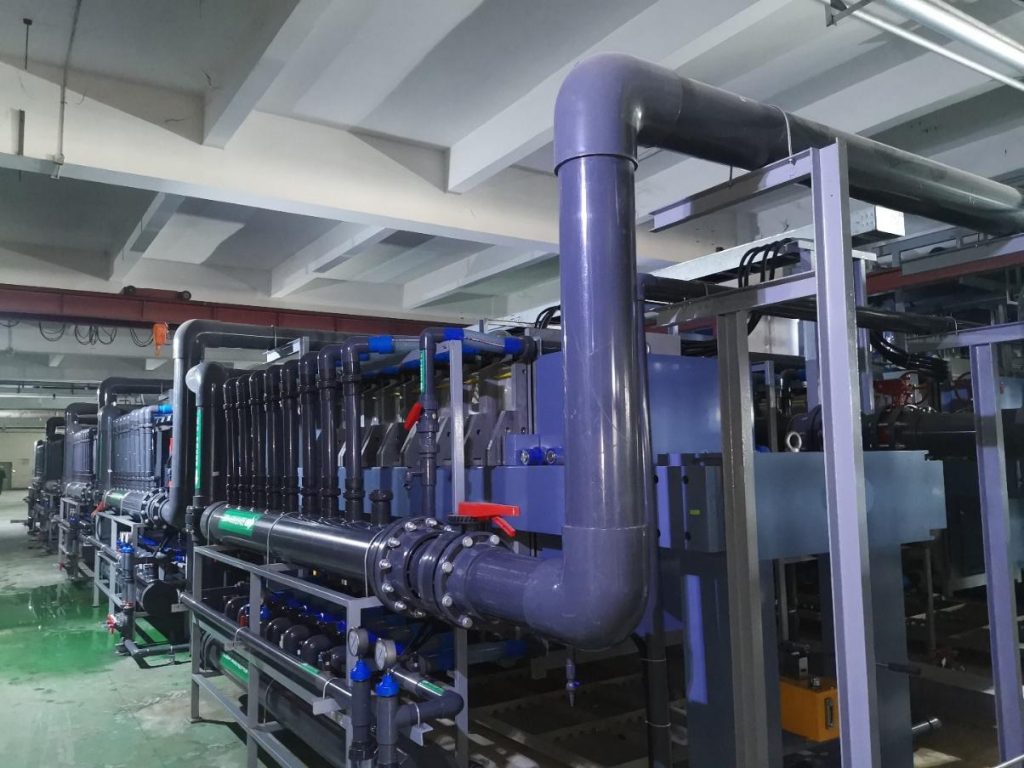
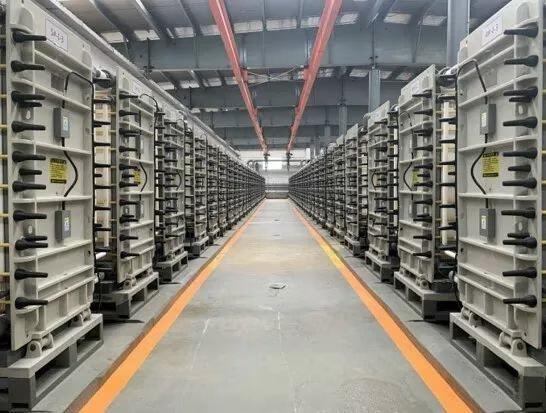
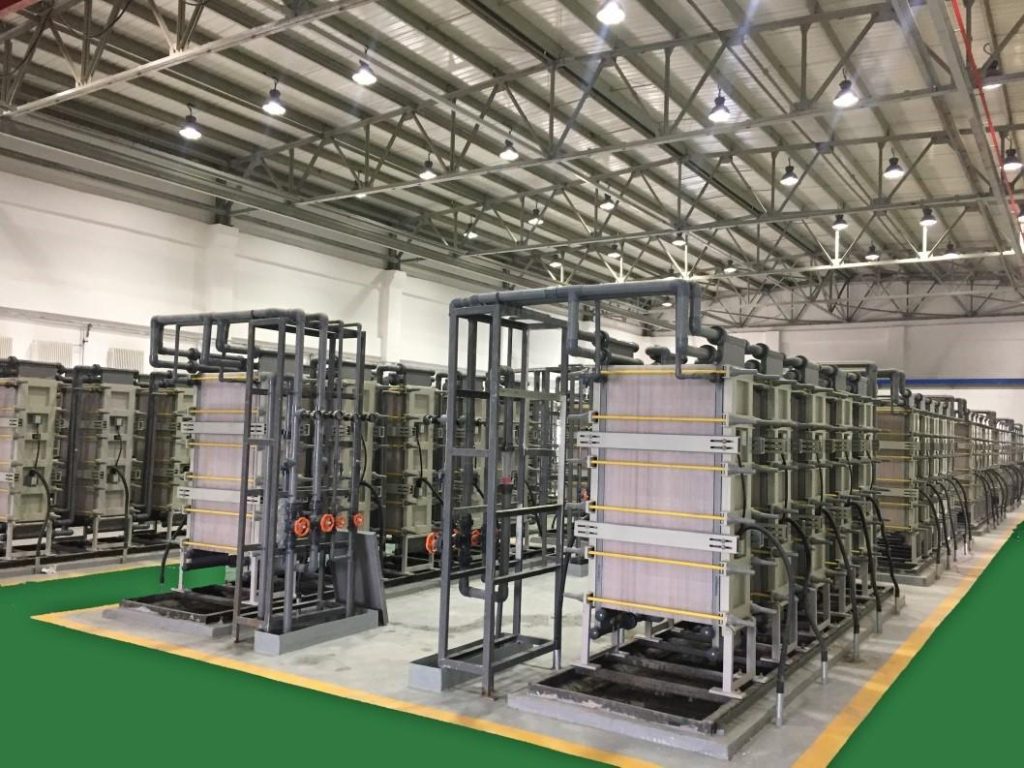
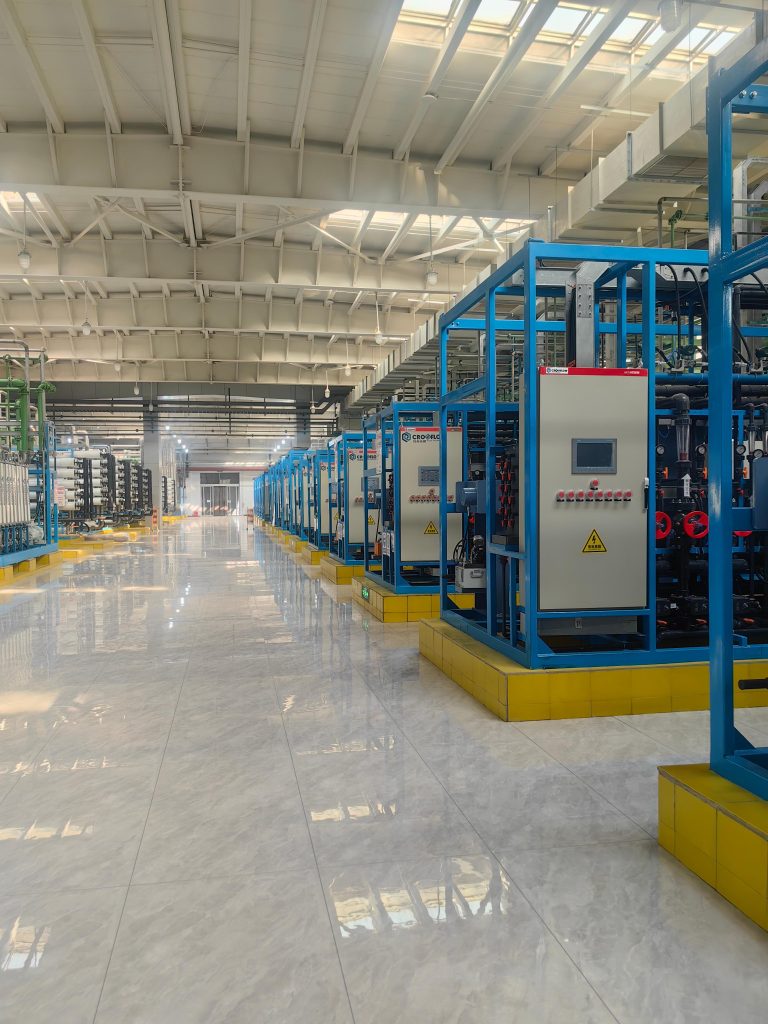
Hangzhou Lanran Technology Co., Ltd. has long been dedicated to the research, development, and engineering application of Bipolar Membrane Electrodialysis (BPED) and electrodialysis technologies.
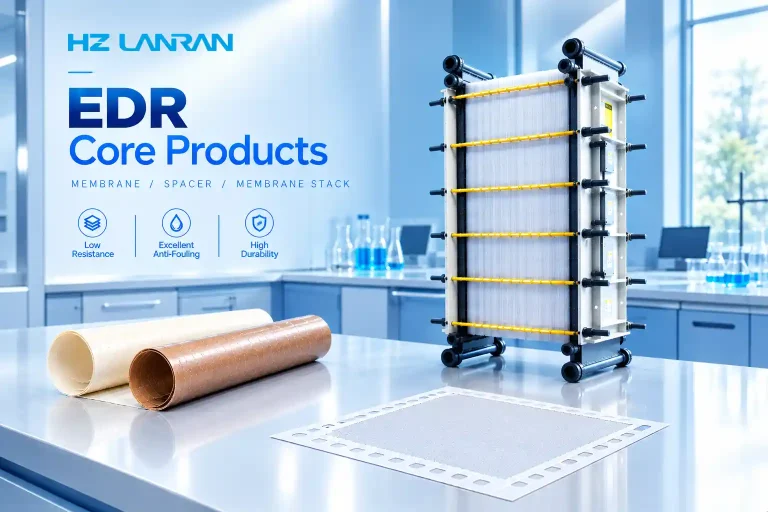
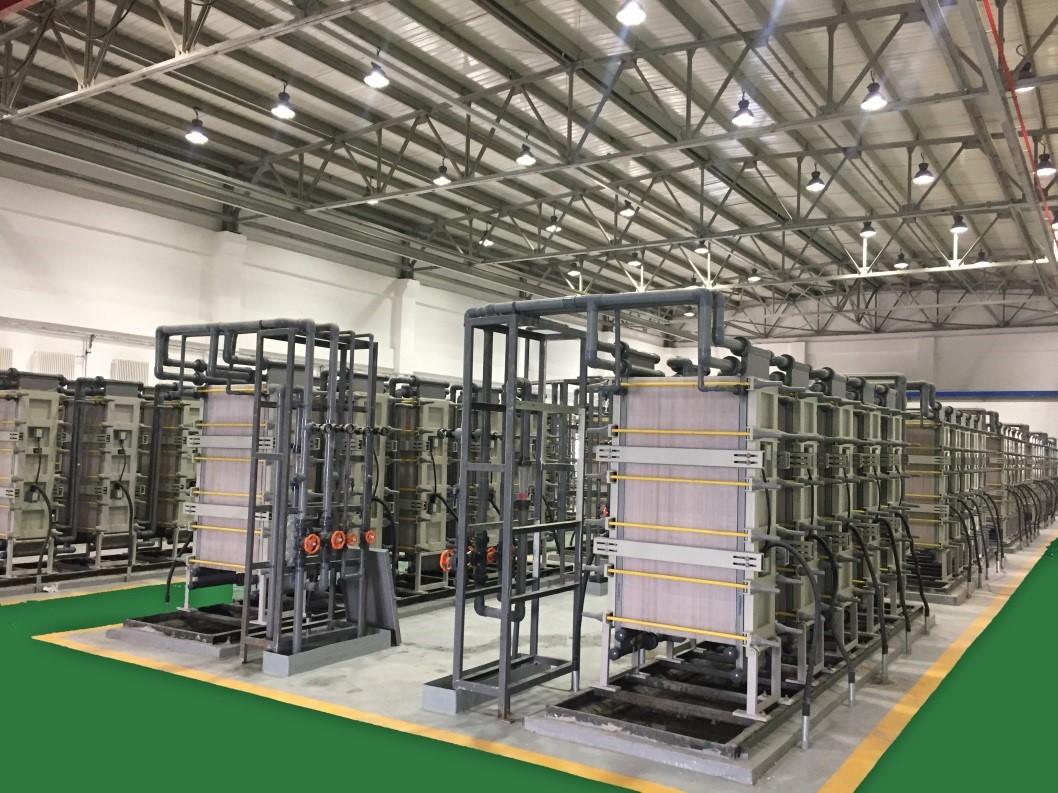
The company has established an integrated capability covering membrane materials, system equipment, and process integration solutions, with more than 390 industrial implementations across sectors such as new energy, chemicals, metallurgy, refining, and circular economy.
Aligned with the industrial needs of the “15th Five-Year Plan” period, key application areas include:
- Waste salt valorization for acid/alkali production systems
- High-salinity wastewater reduction and resource recovery
- Lithium battery material recycling systems
- Optimization and integration of industrial zero-liquid-discharge systems
Through multiple industrial projects, these technologies have demonstrated engineering value in reducing overall energy consumption, improving resource recovery efficiency, and optimizing system operating costs.
Conclusion
As China enters the implementation phase of its carbon neutrality roadmap under the “15th Five-Year Plan,” carbon management is evolving from a policy framework into an operational constraint embedded in industrial decision-making.
For chemical and process industries, key challenges are increasingly defined by:
- Meeting carbon emission replacement requirements for new projects
- Establishing sustainable pathways for high-salt by-product utilization
- Optimizing internal circulation of acid/alkali systems and resource flows
In this transition, electro-driven membrane separation technologies—represented by ED and BPED—are emerging as important engineering pathways connecting emission reduction requirements with industrial resource recovery.
With extensive cross-sector engineering experience, Hangzhou Lanran Technology Co., Ltd. provides process solutions and application assessment support to help industries accelerate low-carbon transformation and circular resource utilization.