Cement Carbon Capture | Lanran Electrodialysis for Amine Solvent Purification
Why Does the Cement Industry Need Carbon Capture?
The cement industry is one of the world’s largest industrial sources of carbon dioxide (CO₂) emissions. While improving energy efficiency, increasing the use of alternative fuels, and reducing clinker content can help lower emissions, a significant portion of CO₂ is generated during the limestone calcination process. These process emissions are difficult to eliminate through energy-related measures alone.
As a result, Carbon Capture, Utilization and Storage (CCUS) is becoming an essential pathway for deep decarbonization in the cement industry.
Among today’s industrial carbon capture technologies, chemical absorption using amine-based solvents remains one of the most mature and widely adopted solutions. However, long-term operation introduces new challenges, including solvent degradation, Heat Stable Salt (HSS) accumulation, and solvent regeneration energy consumption, all of which directly affect plant reliability and operating costs.
Carbon Capture Success Depends on More Than CO₂ Capture Efficiency
For cement producers, the performance of a carbon capture system should not be evaluated solely by its CO₂ capture rate. Long-term operational stability and lifecycle economics are equally important.
Key factors include:
- Maintaining stable solvent circulation over extended operation
- Controlling Heat-Stable Salts (HSS) and other ionic contaminants
- Optimizing solvent regeneration energy consumption
- Integrating efficiently with downstream CO₂ compression, transportation, utilization, or storage
A carbon capture system delivers greater value only when high capture efficiency is combined with reliable long-term operation and optimized operating costs.
How Lanran Electrodialysis Technology Supports Carbon Capture Systems
With years of expertise in ion exchange membranes and industrial electrodialysis, Lanran has successfully applied Electrodialysis (ED) technology to amine solvent purification in cement industry carbon capture projects. Building on this experience, Lanran continues to expand membrane separation technologies for industrial CCUS applications.
1. Online Amine Solvent Purification
During carbon capture, Heat-Stable Salts (HSS) and other ionic impurities gradually accumulate in the amine solution. These contaminants can reduce solvent performance while increasing corrosion, foaming, and maintenance requirements.
Lanran’s Electrodialysis (ED) technology has been successfully applied to online amine solvent purification. Using ion exchange membranes under an electric field, the system selectively removes ionic contaminants while minimizing impacts on solvent composition.
Continuous solvent purification helps:
- Control HSS accumulation
- Slow solvent degradation
- Reduce corrosion risks
- Minimize foaming and operational instability
- Maintain stable solvent performance
2. Supporting Stable Solvent Circulation
In continuous carbon capture operations, the solvent repeatedly undergoes a cycle of CO₂ absorption, regeneration, and reuse.
Over time, dissolved salts and ionic impurities accumulate, leading to declining solvent performance and less stable operation.
Lanran’s ED technology helps control ionic contaminants and salt accumulation in the solvent, supporting stable solvent performance and reducing operational fluctuations caused by impurity buildup.
Value for Cement Carbon Capture Projects
Improved Solvent Stability
By controlling Heat-Stable Salts and other ionic contaminants, ED helps maintain solvent performance and reduce the impact of impurity accumulation during long-term operation.
Reduced Maintenance Requirements
Continuous impurity management helps minimize corrosion, foaming, and solvent degradation, contributing to lower maintenance requirements and improved operational reliability.
Flexible Process Integration
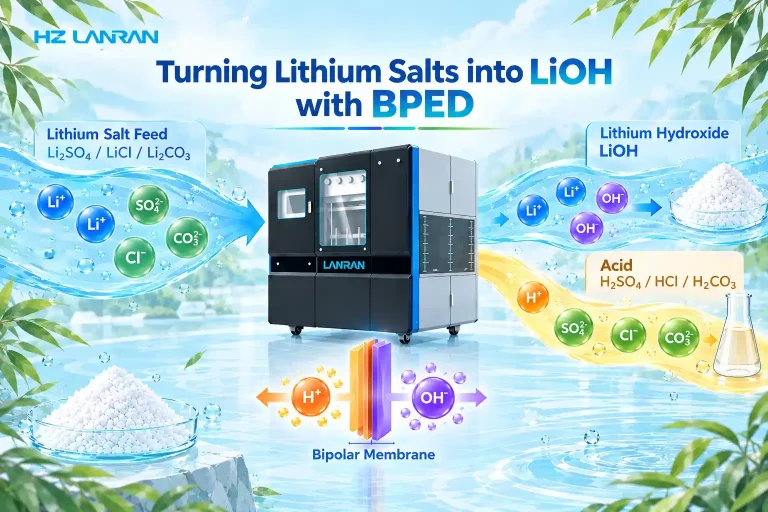
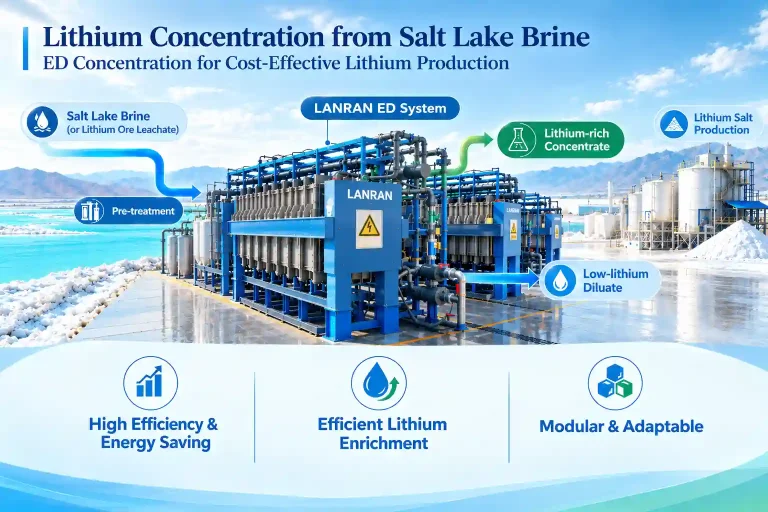
Electrodialysis (ED) and Bipolar Membrane Electrodialysis (BPED) can serve as membrane-based process units within carbon capture systems, integrating with flue gas absorption, solvent circulation, regeneration, and downstream CO₂ processing to support flexible CCUS process design.
Industrial References
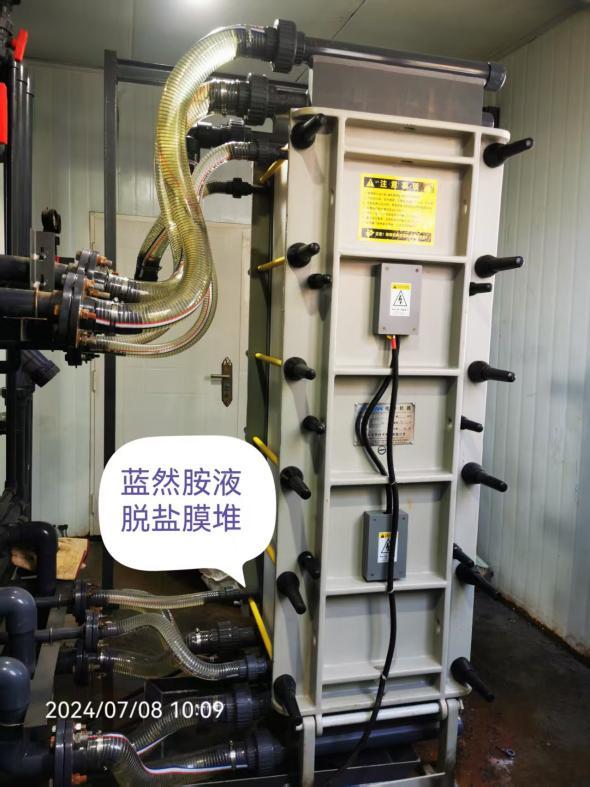
Cement Plant CO₂ Capture Project in Anhui
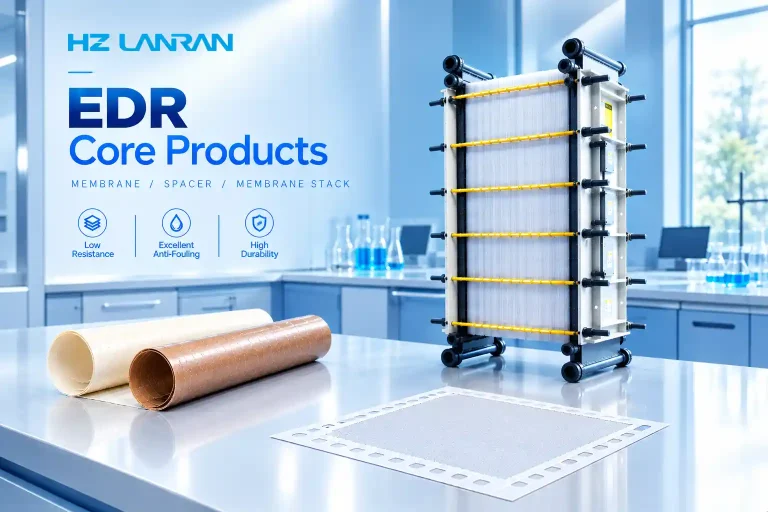
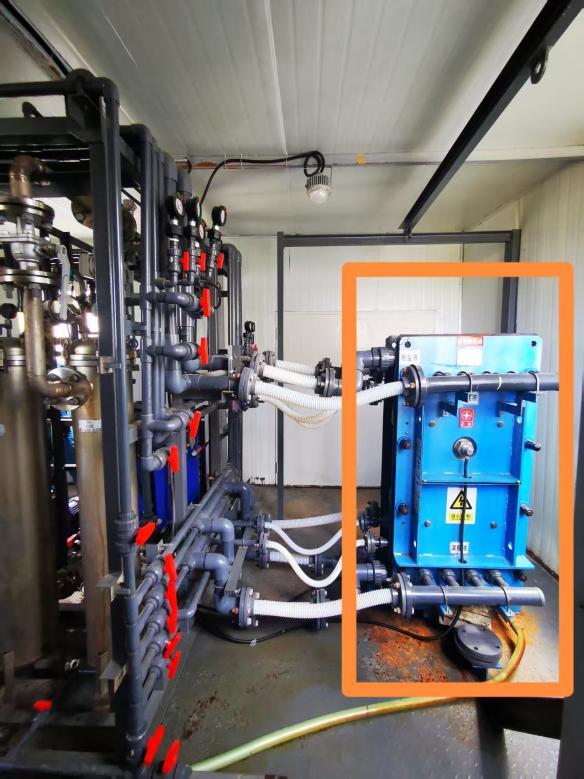
Lanran’s Electrodialysis membrane stack has been applied to the amine solvent purification system of the 50,000 t/y CO₂ capture demonstration project at a Cement Plant in Anhui, helping control Heat Stable Salts (HSS) and support stable long-term solvent operation.
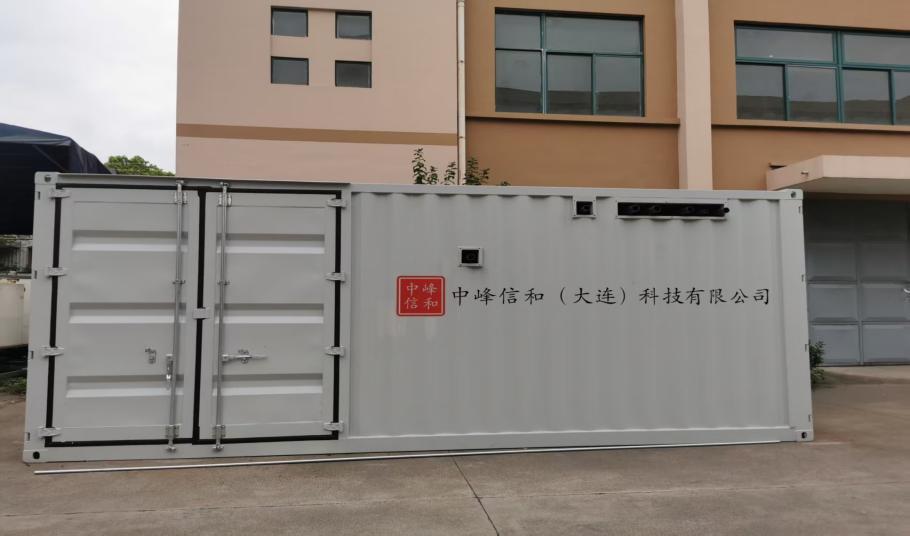
CCUS Project in Hainan
Lanran supplied an Electrodialysis system for the amine solvent purification unit of the 50,000 t/y CCUS demonstration project. The system is designed to control HSS accumulation and support stable solvent performance during carbon capture operations.
Driving Industrial Decarbonization with Membrane Technology
As the global CCUS industry continues to evolve, the focus is shifting beyond capture efficiency toward lifecycle operating costs, energy efficiency, and long-term system reliability.
Leveraging decades of expertise in ion exchange membranes, homogeneous membranes, Electrodialysis (ED), and Bipolar Membrane Electrodialysis (BPED), Lanran continues to advance membrane separation technologies for carbon capture applications. Through innovative membrane solutions, Lanran supports cement, steel, chemical, power generation, and other hard-to-abate industries in building more efficient and sustainable low-carbon processes.